Chicago’s Fine Dining Renaissance: How the New Wave of Restaurants is Redefining Luxury Dining
The gentle hum of conversation fills the air as sixteen strangers settle into their seats around a single, elegant communal table. Warm light catches the gleam of carefully polished glassware while the scent of something extraordinary wafts from the open kitchen just steps away. A chef approaches with a knowing smile, carrying the first course of what will become an unforgettable evening of discovery. This isn’t just dinner—it’s theater, connection, and culinary artistry woven together into something entirely new.
Welcome to Chicago’s fine dining renaissance, where the city’s restaurants are redefining what luxury dining means in the modern era. Gone are the days when exceptional cuisine required intimidating formality or stuffy pretension. Instead, a new wave of establishments is proving that the highest levels of culinary excellence can coexist beautifully with warmth, accessibility, and genuine human connection.

Chicago Skyline
This transformation has not gone unnoticed on the global stage. Chicago’s emergence as the 9th best food destination in the world for 2026 marks a remarkable achievement for a city once known primarily for deep-dish pizza and Italian beef sandwiches. Today’s Chicago offers something far more sophisticated: a dining landscape where innovative chefs are crafting experiences that honor the city’s no-nonsense culture while embracing global influences and cutting-edge techniques.
The new wave of Chicago fine dining represents more than just exceptional food—though the cuisine is undeniably spectacular. It’s about creating meaningful connections between strangers, transforming meals into journeys, and proving that the most memorable dining experiences happen when technique, hospitality, and thoughtful design come together in perfect harmony.
From Steakhouses to Global Stage: Chicago’s Culinary Evolution
Chicago’s culinary journey reads like a classic American success story, one that begins in immigrant neighborhoods and humble taverns before ascending to international acclaim. For decades, the city’s dining reputation rested on its mastery of comfort food classics: towering steakhouses where captains of industry sealed deals over prime rib, neighborhood joints serving pierogi and tamales that reflected the city’s diverse working-class heritage, and corner bars where a shot and a beer constituted fine dining.
This foundation wasn’t a limitation—it was Chicago’s secret weapon. The city’s culinary culture developed without the pretension that sometimes plagued coastal dining scenes. Chicagoans demanded substance over style, authenticity over artifice. When pioneering chefs like Charlie Trotter began elevating the city’s dining standards in the 1980s, they brought technique and innovation while maintaining the Midwest’s commitment to genuine hospitality and honest flavors.
Trotter’s eponymous restaurant, which operated from 1987 to 2012, served as Chicago’s culinary coming-of-age moment. Here was a chef who could compete with the best kitchens in New York or Los Angeles, but who did so with distinctly Chicago sensibilities: meticulous attention to ingredients, respect for seasonal produce, and service that felt warm rather than intimidating. The restaurant became a training ground for future culinary stars and proved that Chicago could support world-class dining.
The arrival of Grant Achatz and Alinea in 2005 marked another pivotal moment. Achatz didn’t just bring molecular gastronomy to Chicago; he created an entirely new vocabulary for fine dining that was both intellectually stimulating and emotionally resonant. Alinea’s success demonstrated that Chicago diners were hungry for innovation and willing to embrace dining as performance art. The restaurant’s three Michelin stars and consistent ranking among the world’s best restaurants put Chicago firmly on the global culinary map.
The establishment of culinary education institutions like Kendall College of Culinary Arts created a pipeline of local talent that would eventually populate kitchens throughout the city. These programs produced chefs who understood both classical techniques and Chicago’s unique cultural context, creating a generation of culinary professionals who could honor tradition while pushing boundaries.
Perhaps no development better symbolized Chicago’s arrival as a culinary destination than the James Beard Foundation’s decision to relocate their annual awards ceremony to the city in 2021. Chicago became the permanent home of American cuisine’s most prestigious honors, a recognition that the city had evolved from a regional dining scene into a national culinary capital.
Today, Chicago boasts 21 Michelin-starred restaurants, a remarkable achievement for any city and a testament to the depth and quality of its dining scene. But perhaps more importantly, the city has developed its own distinctive approach to fine dining—one that values innovation without sacrificing warmth, technique without pretension, and excellence without exclusivity.

Formal Silverware
The transformation from steakhouse city to global dining destination didn’t happen overnight, but it happened authentically. Chicago’s chefs and restaurateurs built on the city’s existing strengths—its work ethic, its respect for quality ingredients, its commitment to hospitality—while adding layers of sophistication and creativity that have attracted international attention. This evolution sets the stage for understanding what makes today’s new wave of Chicago restaurants so special: they represent the next chapter in a story that began with immigrant communities sharing their food traditions and has grown into a movement that’s influencing dining culture worldwide.
The New Wave Defined: What Makes Modern Fine Dining Different
The dining room at a traditional fine dining restaurant circa 2010 might have felt like stepping into a museum: hushed tones, rigid protocols, and an invisible but palpable barrier between kitchen and guests. Servers moved with choreographed precision, speaking in practiced phrases that maintained professional distance. The experience, while often exceptional, could feel more like a performance you observed rather than one you participated in.
Today’s new wave of fine dining restaurants have completely reimagined this dynamic. Walk into one of Chicago’s contemporary establishments and you’ll immediately sense the difference. The atmosphere buzzes with energy rather than reverence. Chefs emerge from open kitchens to explain their creations directly to guests, sharing stories about ingredients and inspiration with the enthusiasm of dinner party hosts. Servers move with the same precision but speak with genuine warmth, treating diners as welcomed guests rather than customers to be managed.
This shift represents a fundamental reimagining of what luxury dining should feel like in the modern era. The new wave prioritizes connection over formality, experience over mere consumption, and authenticity over artifice. It’s fine dining that feels approachable without sacrificing excellence—a delicate balance that requires both exceptional culinary skill and emotional intelligence.
At the heart of this movement lies a rejection of intimidation as a marker of quality. The old model assumed that difficulty of access, complex protocols, and formal distance somehow enhanced the dining experience. The new wave recognizes that these barriers often prevented guests from fully engaging with and enjoying extraordinary cuisine. Current restaurant trends consistently show that diners are seeking authenticity and connection above traditional status markers.
Modern fine dining establishments have embraced what industry professionals call “comfort with restraint”—the ability to create refined, technically sophisticated cuisine while maintaining an atmosphere that feels genuinely welcoming. This might manifest as a chef taking time to explain the inspiration behind a particular dish, servers who remember personal preferences and dietary restrictions, or dining room design that encourages conversation rather than stifling it.

Egg Drop Soup at Class Act
The integration of global flavors represents another hallmark of the new wave. Rather than adhering to strict European culinary traditions, today’s chefs draw inspiration from their own heritage and travels, creating menus that tell personal stories while showcasing technical mastery. This approach results in cuisine that feels both familiar and surprising, rooted in tradition yet clearly contemporary.
Technology plays a supporting rather than starring role in these establishments. While many restaurants now use sophisticated reservation systems and kitchen management software, the technology serves to enhance human interaction rather than replace it. Digital tools help staff anticipate guest needs and preferences, creating opportunities for more meaningful personal service.
The physical design of new wave restaurants also reflects this emphasis on connection. Open kitchens allow guests to witness the artistry of food preparation while creating opportunities for chef-diner interaction. Communal elements—whether shared tables, family-style service, or collaborative dining experiences—break down traditional hierarchies and foster the kind of connections that transform a meal into a memory.
Sustainability and thoughtfulness permeate every aspect of these operations. From sourcing practices that support local farmers to wine programs that highlight natural and biodynamic producers, new wave restaurants view their role as extending beyond the dining room. This consciousness isn’t performative—it’s integrated into daily operations and reflects a genuine commitment to responsible hospitality.
Perhaps most significantly, the new wave has redefined the relationship between chef and guest. Celebrity chef culture, which dominated dining in the 2000s and early 2010s, has given way to a more collaborative approach. Today’s leading chefs see themselves as hosts first, artists second. They understand that technical skill means little if guests don’t feel welcomed and engaged throughout their experience.
Industry analysis from 2026 confirms that this transformation represents more than just a passing trend. Diners increasingly prioritize experiences that feel authentic, personal, and meaningful. They want to understand the story behind their meal and feel connected to the people creating it. The restaurants succeeding in this environment are those that have mastered the art of providing exceptional cuisine within a framework of genuine hospitality.
This evolution naturally leads to one of the most significant aspects of the new wave: the deliberate cultivation of human connection and shared experiences that transform individual meals into collective memories.
Connection as Currency: The Rise of Communal and Experiential Dining
In an era where digital interactions often replace face-to-face connections, Chicago’s new wave restaurants are championing the radical idea that sharing a meal with strangers can be one of life’s most rewarding experiences. This isn’t nostalgia for a bygone era—it’s a thoughtful response to contemporary life that recognizes food’s unique power to break down barriers and create meaningful human connections.
The psychology behind communal dining runs deeper than simple novelty. When people share food, they engage in one of humanity’s oldest social rituals. Breaking bread together triggers evolutionary responses that promote bonding, trust, and empathy. Modern fine dining restaurants are leveraging this ancient wisdom to create experiences that feel both timeless and thoroughly contemporary.
At the forefront of this movement is the communal table concept, which has evolved far beyond the casual picnic-style arrangements of earlier decades. Today’s designers create communal dining experiences that feel intentional and elegant, where strangers can connect naturally without feeling forced into artificial interactions. The key lies in thoughtful design that encourages conversation while providing enough space and structure for guests to feel comfortable.
Class Act exemplifies this approach with their stunning 16-seat communal table that serves as the centerpiece of their dining room. Rather than cramming guests together at a basic long table, the restaurant has created an environment where the shared experience enhances rather than detracts from the intimacy of fine dining. The table’s proportions, lighting, and placement relative to the open kitchen create natural opportunities for interaction while maintaining the sophistication that guests expect from a premier dining establishment.
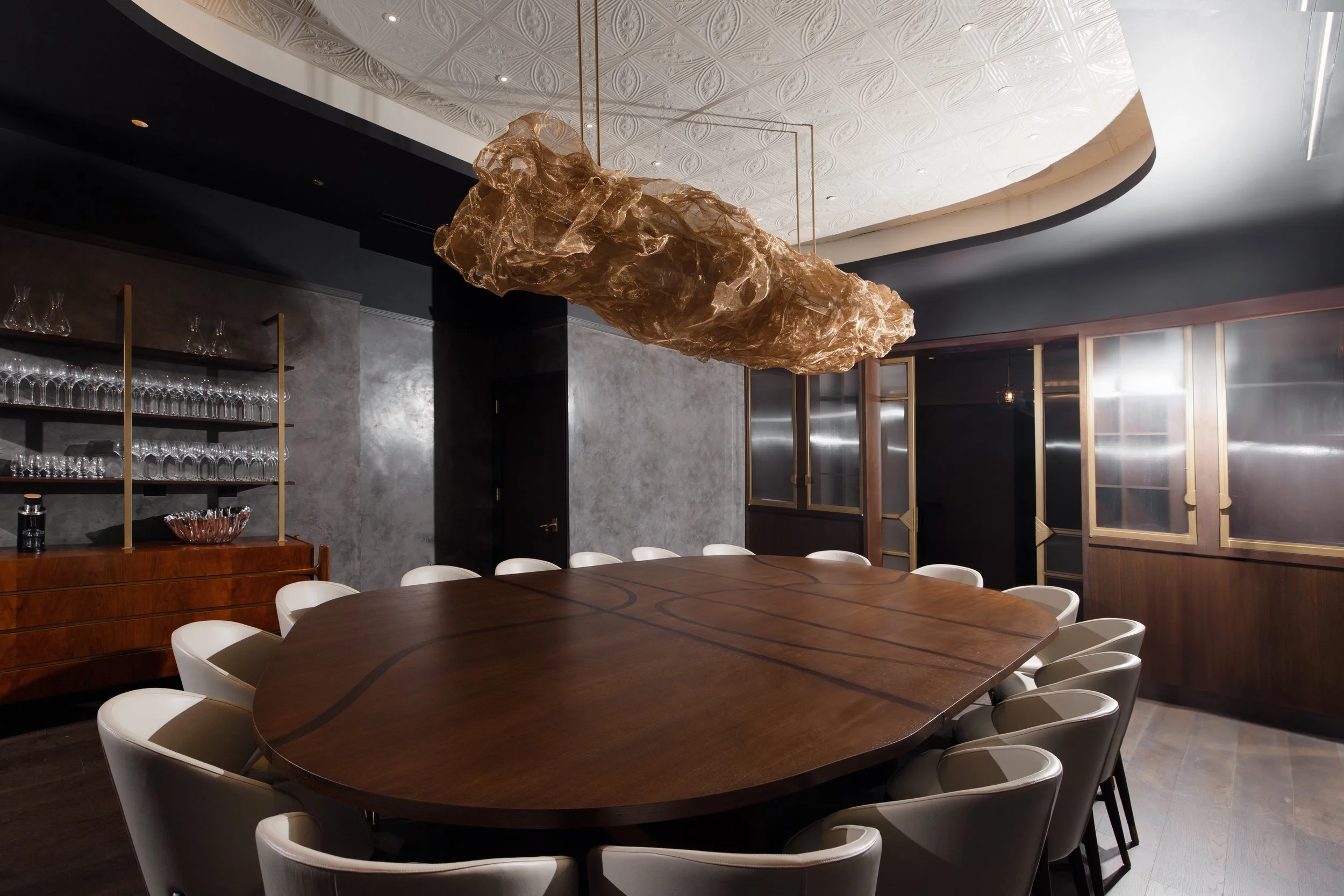
Class Act Communal Table
The magic happens in the details. Synchronized service means that all guests experience key moments together—the arrival of a spectacular course, the explanation of an unusual ingredient, the transition between sections of the meal. These shared discoveries create instant bonds between strangers, transforming what might have been a solitary dining experience into a collective journey of exploration and delight.
Open kitchens play a crucial role in fostering these connections. When guests can observe the artistry and dedication that goes into each dish, they develop a deeper appreciation for the meal and a stronger connection to the people creating it. Chefs become characters in the evening’s story rather than invisible figures behind closed doors. This transparency builds trust and excitement while giving diners insight into the passion and skill required for exceptional cuisine.
The most successful communal dining experiences create what hospitality professionals call “orchestrated spontaneity”—moments that feel natural and unplanned but are actually the result of careful choreography. A chef might time their appearance at the dining room to coincide with the arrival of a particularly special course, or servers might facilitate introductions between guests who discover shared interests or experiences.
Chicago’s dining scene has embraced this communal approach with particular enthusiasm, perhaps because it aligns so perfectly with the city’s cultural values of friendliness, authenticity, and unpretentiousness. Chicagoans have always been comfortable striking up conversations with strangers, making the city an ideal environment for restaurants that want to foster genuine connections.
The design of communal spaces requires extraordinary attention to acoustics, lighting, and flow. Architects and designers must create environments where conversation can flourish without becoming overwhelming, where guests feel both part of a larger experience and comfortable in their immediate space. The most successful designs incorporate elements that naturally encourage interaction—perhaps a central focal point that draws attention, strategically placed serving stations that create opportunities for movement, or lighting that creates intimacy within the larger space.
Progressive room concepts take this idea even further, creating dining experiences that unfold across multiple spaces throughout the evening. Class Act’s three-room journey—from welcome foyer to dining room to speakeasy—exemplifies this approach. Each space serves a different purpose in the evening’s narrative arc, allowing relationships formed at the communal table to deepen and evolve as guests move through the experience together.
The role of hospitality staff becomes even more crucial in communal dining environments. Servers and hosts must be skilled at reading social dynamics, facilitating introductions when appropriate, and ensuring that quieter guests feel included without being overwhelmed. The best communal dining experiences have staff who understand that their role extends beyond food service to include social facilitation and emotional intelligence.
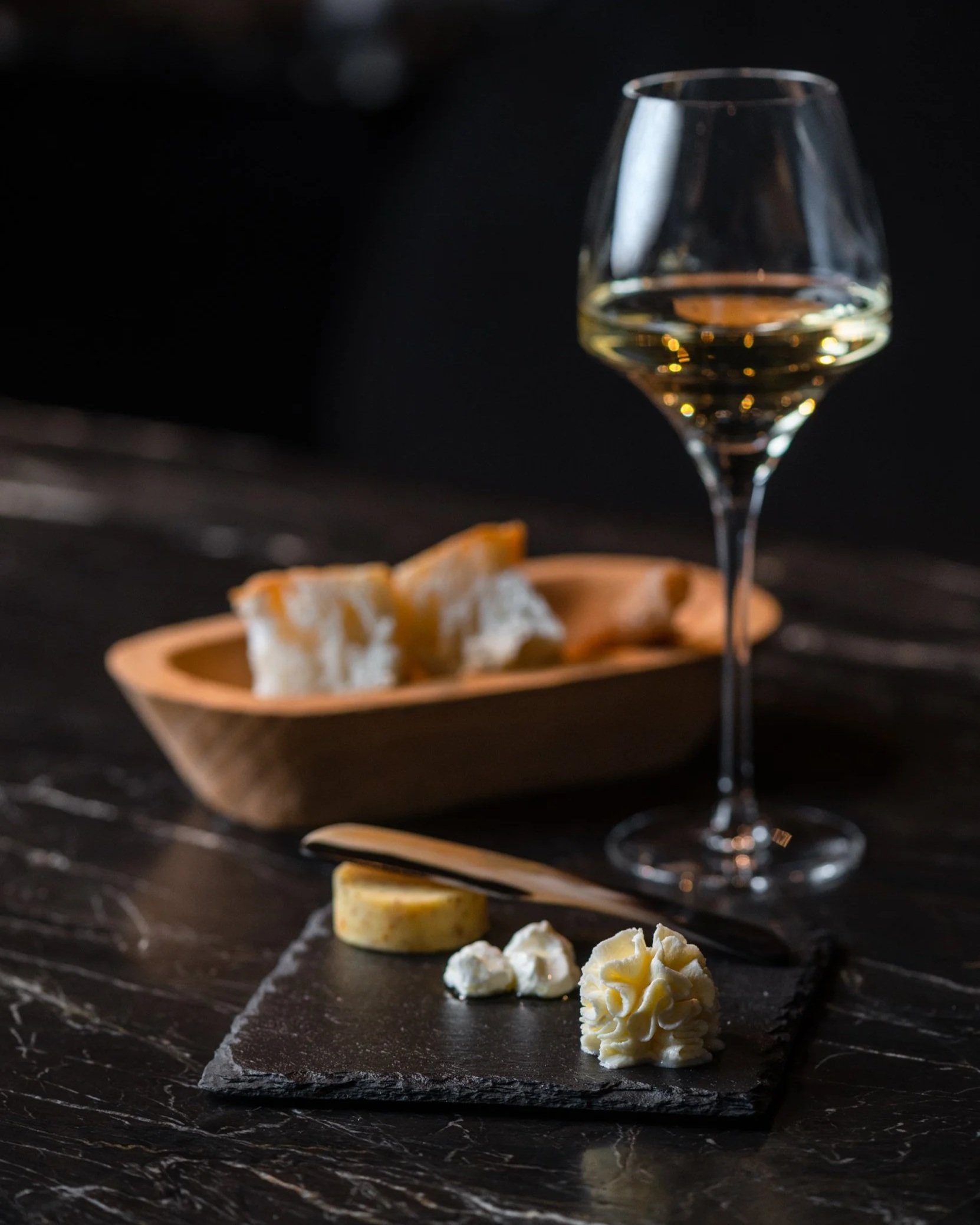
Wine, Bread, and Cheese
Beverage service in communal settings requires particular finesse. Wine pairings or cocktail presentations become shared experiences that can serve as conversation starters and bonding opportunities. Sommeliers and bartenders often find themselves serving as informal ambassadors, helping guests discover common ground through shared appreciation of exceptional drinks.
The success of communal dining lies in its ability to create what sociologists call “weak ties”—brief but meaningful connections between people who might never meet otherwise. These encounters often prove surprisingly memorable and significant, reminding guests of food’s power to bring out the best in human nature. In a world where authentic connection can feel increasingly rare, restaurants that master the art of bringing strangers together around exceptional food provide something invaluable.
This emphasis on connection and shared experience provides the foundation for examining how specific restaurants are implementing these innovations while maintaining the highest standards of culinary excellence.
Innovation in Action: How Restaurants Are Redefining Luxury
The true test of any dining revolution lies not in theory but in execution—how restaurants translate grand concepts into tangible experiences that exceed expectations while feeling effortlessly natural. Chicago’s new wave establishments have become laboratories for innovation, proving that meaningful change doesn’t require abandoning excellence but rather expanding its definition.
Class Act serves as a compelling case study in how thoughtful innovation can enhance rather than complicate the fine dining experience. Executive Chef Nicolai Mlodinow brings an impressive pedigree—formal training in classical technique combined with the intuitive understanding that the best meals feel like celebrations among friends. This combination allows him to create cuisine that satisfies both the palate and the soul, dishes that showcase technical mastery while maintaining the warmth and playfulness that make dining memorable.
The restaurant’s three-room progressive concept demonstrates how spatial design can enhance narrative flow throughout an evening. Guests begin their journey in an elegant welcome foyer that serves as both transition space and mood-setter. This initial environment allows new arrivals to decompress from the outside world while building anticipation for what lies ahead. The progression to the main dining room, centered around that remarkable 16-seat communal table, creates a sense of arrival and community. Finally, the evening concludes in an intimate speakeasy setting where relationships formed over dinner can deepen over carefully crafted cocktails.
This progression isn’t arbitrary—each space serves specific emotional and social purposes while maintaining Class Act’s commitment to sophisticated comfort. The design recognizes that great dining experiences have natural rhythms, moments of excitement balanced with opportunities for reflection, social energy punctuated by intimate conversation. By providing different environments for different phases of the evening, the restaurant allows guests to experience a complete emotional journey.
The integration of global inspirations with local sensibilities represents another crucial innovation in Chicago’s fine dining scene. Rather than simply importing concepts from other cities, successful restaurants filter international influences through distinctly Chicago perspectives. This might mean applying French technique to locally sourced ingredients, incorporating Asian flavors into familiar Midwest preparations, or using traditional European presentations to showcase innovative American ingredients.
Chef Mlodinow’s approach exemplifies this thoughtful fusion. His menu draws from global culinary traditions while maintaining clear personal voice and local connection. Each dish tells a story—perhaps about a technique learned during travels, an ingredient discovered at a local farmers market, or a flavor combination that captures a specific memory or emotion. This storytelling aspect transforms each course from mere sustenance into shared experience.
The beverage program at progressive restaurants like Class Act deserves special attention for its role in creating comprehensive sensory experiences. Modern sommeliers and beverage directors think beyond simple wine pairings to create liquid narratives that enhance and complement the culinary journey. This might include spirit-free options that showcase the same complexity and creativity as alcoholic beverages, cocktails that incorporate culinary techniques and ingredients, or wine selections that reflect the global perspective of the kitchen.

Cocktail Program
The open kitchen concept has evolved significantly from its early incarnations. Rather than simply removing walls between kitchen and dining room, today’s most successful implementations create genuine opportunities for chef-guest interaction while maintaining the efficiency and precision required for high-level service. Chefs emerge at strategic moments to explain their creations, share stories about ingredients, or simply connect with guests on a human level. These interactions feel natural rather than scripted because they emerge from genuine enthusiasm for the craft.
Seasonal menu evolution represents another area of innovation. Rather than completely changing offerings every few months, leading restaurants now think about menu development as an ongoing conversation with both ingredients and guests. New dishes might debut as specials before earning permanent placement, allowing chefs to refine preparations based on guest feedback. Seasonal ingredients are incorporated seamlessly into established favorites, keeping the menu fresh while maintaining consistency.
Technology integration in these environments focuses on enhancing rather than replacing human connection. Reservation systems might track guest preferences and dietary restrictions, allowing staff to provide personalized service that feels intuitive rather than scripted. Kitchen management systems help coordinate complex preparations while ensuring that guests receive their courses at precisely the right moment. Point-of-sale systems provide servers with information that enables more informed recommendations and smoother service.
The most significant innovation, however, might be the redefinition of luxury itself. Traditional fine dining often equated luxury with exclusivity, formality, and distance. The new wave recognizes that true luxury in the modern era means feeling genuinely welcomed, understood, and cared for. It means having access to exceptional experiences without feeling judged or intimidated. It means being treated as a whole person rather than simply a customer.
Current industry trends consistently show that diners increasingly value authenticity, sustainability, and connection over traditional status markers. Restaurants succeeding in this environment have learned to provide all the technical excellence and sophisticated service that defines fine dining while creating atmospheres that feel genuinely welcoming and inclusive.
This approach to innovation—thoughtful, guest-focused, and technically excellent—reflects the broader evolution of Chicago’s dining scene and helps explain how the city has earned recognition on the international stage while maintaining its distinctive character and values.
Chicago’s Position as a Global Culinary Destination
The recognition of Chicago as the 9th best food destination in the world for 2026 represents more than just a statistical achievement—it marks the culmination of decades of culinary evolution and signals the city’s emergence as a truly international dining destination. This ranking places Chicago among the elite global food cities, a remarkable transformation for a metropolis once known primarily for hearty comfort food and straightforward hospitality.
What sets Chicago apart from other major food cities isn’t just the quality of its restaurants, though the concentration of exceptional establishments is undeniable. The city’s unique position stems from its ability to maintain authentic Midwest character while embracing global perspectives and innovative techniques. Chicago has avoided the trap of trying to become another New York or San Francisco, instead developing its own distinctive approach to world-class dining.
The James Beard Foundation’s decision to make Chicago the permanent home of their annual awards ceremony speaks to this recognition. When the most prestigious organization in American cuisine chooses your city as its headquarters, it sends a clear message about quality, innovation, and cultural significance. The move brought international attention to Chicago’s dining scene while providing local restaurants and chefs with unprecedented access to industry leaders and influencers.
Chicago’s cultural diversity provides the foundation for its culinary excellence. The city’s history as a destination for immigrants from around the world created neighborhoods rich with authentic food traditions. Today’s leading chefs draw inspiration from these communities while adding their own training and creativity to create cuisine that feels both globally informed and distinctly Chicago. This isn’t fusion cooking in the superficial sense—it’s the natural evolution of a city where different cultures have coexisted and influenced each other for generations.
The economic impact of Chicago’s culinary renaissance extends far beyond individual restaurants. Food tourism has become a significant driver of the city’s economy, with visitors specifically planning trips around dining experiences. Hotels report increased bookings tied to restaurant reservations, and the city’s convention and tourism bureau regularly highlights the dining scene as a primary attraction for both business and leisure travelers.
Comparing Chicago to other major food destinations reveals what makes the city special. Paris offers unmatched tradition and technique, Tokyo provides precision and innovation, and New York delivers diversity and energy. Chicago brings something different: approachable excellence. The city’s restaurants provide world-class experiences without the pretension or intimidation that can characterize dining in other major cities. This accessibility doesn’t diminish quality—it enhances the overall experience by allowing guests to focus on the food and service rather than navigating complex social protocols.
The concentration of exceptional talent in Chicago’s kitchens reflects the city’s growing reputation. Young chefs increasingly view Chicago as a destination rather than a stepping stone, drawn by the opportunity to work in innovative environments while enjoying a quality of life that might be difficult to achieve in more expensive coastal cities. This influx of talent creates a competitive environment that pushes all restaurants to maintain high standards while encouraging innovation and creativity.
Chicago’s restaurant scene also benefits from strong institutional support. Local media outlets provide sophisticated coverage of the dining scene, while organizations like the Chicago Gourmet festival create platforms for restaurants to showcase their work. The city government has generally been supportive of the hospitality industry, understanding its importance to the local economy and cultural reputation.
The future trajectory looks exceptionally promising. New restaurants continue to open with ambitious concepts and exceptional pedigrees. Established restaurants maintain their standards while continuing to innovate. The pipeline of culinary talent remains strong, with local culinary schools producing graduates who understand both classical techniques and contemporary expectations.
Perhaps most importantly, Chicago’s dining scene maintains its authenticity while achieving international recognition. The city hasn’t sacrificed its character in pursuit of prestige. Instead, it has demonstrated that being genuine, welcoming, and unpretentious are strengths rather than limitations in the modern dining landscape.

The timing of this recognition couldn’t be better. As travelers increasingly seek authentic experiences over manufactured attractions, Chicago offers dining experiences that feel both sophisticated and genuine. The city provides access to world-class cuisine within a cultural context that values warmth, honesty, and connection—qualities that resonate with modern diners seeking meaningful experiences.
This global recognition creates a perfect moment for food enthusiasts to explore Chicago’s dining scene. The renaissance is happening now, with new restaurants opening and established ones continuing to evolve. For anyone interested in experiencing the future of fine dining—where excellence meets accessibility and innovation embraces authenticity—Chicago offers an unparalleled opportunity to witness and participate in this exciting transformation
Conclusion
Chicago’s fine dining renaissance represents something revolutionary: proof that exceptional cuisine and genuine hospitality aren’t just compatible—they’re inseparable. This transformation from a meat-and-potatoes city to a global culinary destination reflects broader changes in how we think about luxury, community, and connection in the modern world. The new wave of restaurants emerging throughout the city has succeeded in redefining what fine dining means for contemporary diners who seek both excellence and authenticity.
The journey from traditional steakhouses to innovative experiential restaurants demonstrates Chicago’s remarkable ability to honor its heritage while embracing change. The city’s chefs and restaurateurs haven’t abandoned the values that made Chicago special—warmth, honesty, and unpretentiousness—but have instead shown how these qualities can enhance rather than compromise culinary excellence. This balance has created a dining scene that feels both sophisticated and welcoming, exclusive and inclusive.
The emphasis on connection and shared experience emerging from restaurants like Class Act points toward the future of hospitality. In an era when digital interactions often replace face-to-face connections, the most forward-thinking restaurants recognize that bringing people together around exceptional food serves a deeper purpose than mere nourishment. These establishments create spaces where strangers become friends, where meals become memories, and where the simple act of sharing food reminds us of our common humanity.
The innovations happening in Chicago’s dining rooms—from progressive multi-space concepts to communal dining experiences—aren’t just clever marketing tactics. They represent a fundamental reimagining of what restaurants can offer beyond food service. By creating environments that foster connection, tell stories, and engage all the senses, these establishments prove that dining can be transformative rather than merely transactional.
Chicago’s recognition as the 9th best food destination in the world validates this approach while suggesting that other cities might follow Chicago’s lead in prioritizing authenticity alongside excellence. The city’s success demonstrates that being genuine, welcoming, and community-focused are competitive advantages in the modern dining landscape, not limitations to overcome.
Perhaps most significantly, this renaissance is happening right now. The transformation continues to unfold with new restaurants opening, established ones evolving, and the entire ecosystem growing stronger and more sophisticated. For anyone interested in experiencing the future of fine dining, Chicago offers a front-row seat to this exciting evolution.
The magic that happens around Class Act’s 16-seat communal table—where strangers discover shared passions over expertly crafted dishes, where laughter mingles with the clink of glasses, where a simple meal transforms into an unforgettable evening—captures the essence of what makes Chicago’s fine dining renaissance so special. It’s not just about the food, though the cuisine is extraordinary. It’s about remembering that the best dining experiences happen when technical excellence meets human warmth, when innovation serves connection rather than replacing it.
This is Chicago’s gift to the culinary world: proof that fine dining can be both sophisticated and soulful, that luxury means feeling welcomed rather than intimidated, and that the most memorable meals are those that bring out the best in both food and people. As this renaissance continues to unfold, Chicago stands as an inspiring example of how cities can honor their character while reaching for excellence, creating dining experiences that satisfy both palate and spirit.
Experience Chicago’s Renaissance at Class Act
The revelry of a friend’s dinner party meets mindblowing avant-garde cuisine at Class Act, where Chicago’s fine dining renaissance comes to life in the most delightful way imaginable. Here, Executive Chef Nicolai Mlodinow has created something magical: a restaurant that embodies everything exciting about the new wave of Chicago dining while maintaining the sophistication and technical excellence that defines truly memorable cuisine.
Your evening begins the moment you step into the welcoming foyer, where anticipation builds as you’re prepared for the unique journey ahead. The progression to the stunning dining room, centered around that remarkable 16-seat communal table, transforms dinner from a meal into an experience. Watch as Chef Mlodinow and his team craft each course in the open kitchen, then emerge to share stories about their creations with the warmth and enthusiasm of passionate dinner party hosts.
The magic happens in the details: synchronized service that creates shared moments of discovery, globally-inspired cuisine that surprises and delights with every bite, and an atmosphere that encourages connection without sacrificing elegance. As the evening progresses to the intimate speakeasy, relationships formed over dinner deepen over expertly crafted cocktails, proving that the best dining experiences extend far beyond the last bite.
Class Act represents everything exceptional about Chicago’s culinary renaissance: thoughtfulness that extends to every aspect of the experience, excellence that never feels intimidating, and whimsy that transforms a night out into a treasured memory. This is fine dining for the modern era—sophisticated yet approachable, innovative yet soulful, memorable yet genuine.
The anticipation begins even before you arrive, continues through every course and conversation, and lingers long after the evening ends. Experience for yourself why Chicago has captured international attention and why Class Act stands as a perfect embodiment of the city’s exciting new approach to luxury dining.
Ready to be part of Chicago’s fine dining story? Reserve your seat at the communal table and discover what happens when culinary excellence meets magical hospitality. Visit Class Act to secure your reservation and prepare for an evening that perfectly captures the joy, sophistication, and connection that define Chicago’s remarkable culinary renaissance.