Three Rooms, One Journey: How Class Act Chicago Transforms Fine Dining Through Progressive Spatial Storytelling
The way we experience space shapes how we connect with each other—and nowhere is this more intentional than at Class Act Chicago, where Chef Nicolai Mlodinow has reimagined the fine dining experience as a three-room progressive journey. In an era when restaurants compete for attention through Instagram-worthy moments, Class Act takes a different approach: designing spaces that cultivate genuine human connection through thoughtful spatial storytelling. This isn’t just about moving diners through different rooms; it’s about crafting a narrative arc that transforms strangers into dinner companions and meals into memories.
The concept of progressive dining represents a fundamental shift in how we think about hospitality. Rather than treating diners as customers who occupy tables, Class Act recognizes them as participants in a carefully orchestrated experience that unfolds across multiple acts. Each room serves a distinct purpose in the evening’s narrative, creating natural opportunities for connection that feel organic rather than forced.
Chef Mlodinow’s philosophy centers on the belief that “food is so much more than what’s on the plate. It’s a bridge that connects us to others.” This understanding drives every design decision at Class Act, from the welcoming entrance that serves as a decompression chamber from the bustling streets of Bucktown, to the intimate lounge where new friendships are cemented over nightcaps and lingering conversation.
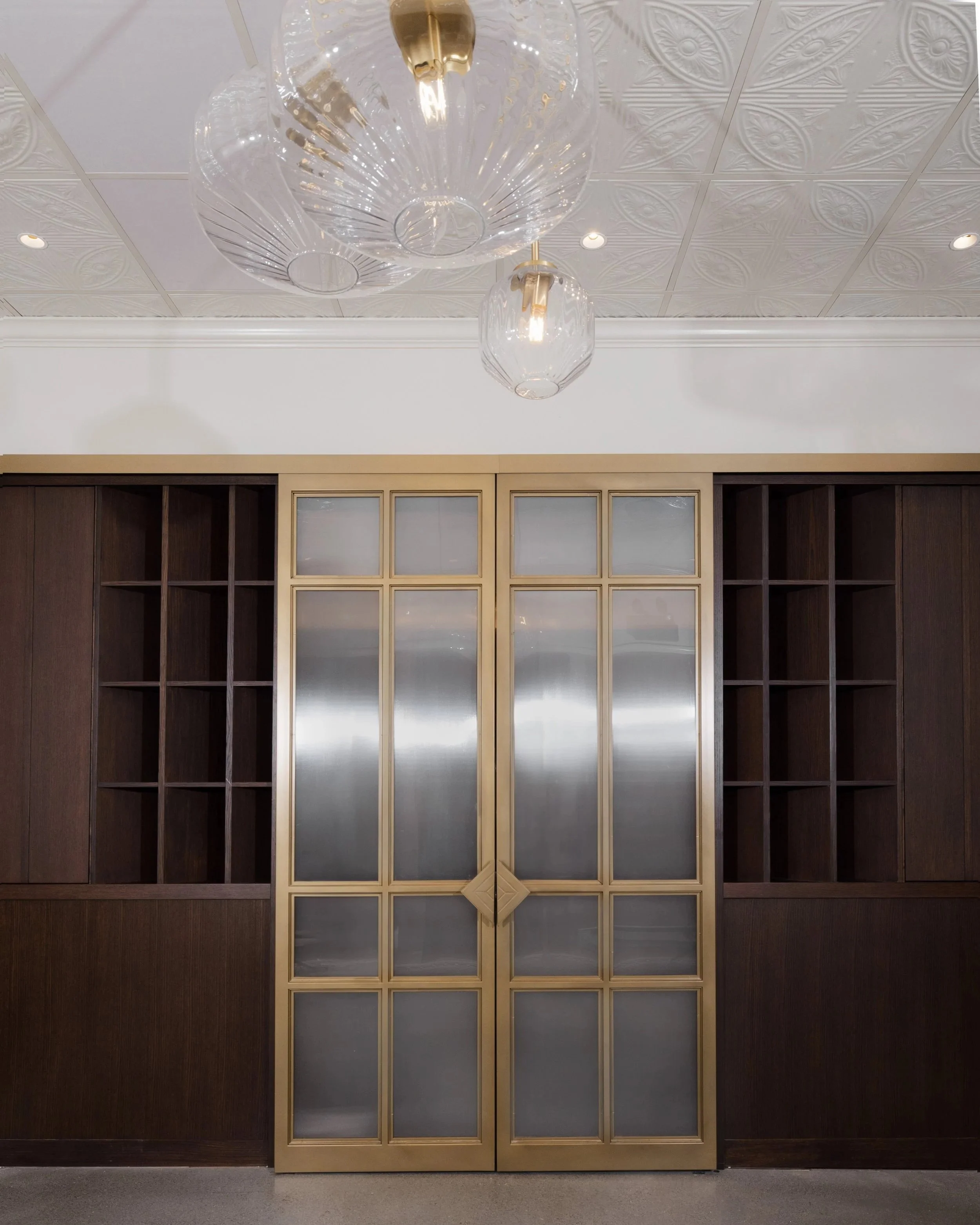
In a dining landscape increasingly dominated by quick turnover and social media moments, Class Act’s three-room journey represents a return to hospitality’s core mission: creating meaningful human experiences. The restaurant’s success lies not in revolutionary techniques or exotic ingredients, but in the profound understanding that when we design spaces intentionally for connection, we create value that extends far beyond a single meal.
The Evolution of Dining: From Meal to Journey
The transformation of dining from sustenance to experience didn’t happen overnight. Over the past two decades, the restaurant industry has witnessed a fundamental shift from transactional dining to experiential hospitality, with fine dining establishments leading the charge in reimagining what it means to share a meal. This evolution reflects broader cultural changes: our increasing hunger for authentic experiences in a digital world, the rise of the experience economy, and a growing understanding of how physical spaces influence human behavior and emotional connection.
Traditional restaurant design focused primarily on efficiency and aesthetic appeal. Tables were arranged for maximum capacity, kitchens remained hidden behind closed doors, and the guest experience was largely linear: arrive, order, eat, pay, leave. While functional, this model often missed opportunities to create the deeper connections that transform a good meal into a lasting memory.
Hospitality Design’s 2025 restaurant trends highlight this shift toward experiential dining innovations, noting that today’s successful restaurants increasingly function as “experience architects” rather than simply food service providers. The most forward-thinking establishments recognize that in an age of endless dining options, emotional connection becomes the ultimate differentiator.
Progressive dining concepts challenge traditional restaurant layouts by introducing temporal and spatial elements that mirror other narrative art forms. Like a well-structured film or theatrical performance, progressive dining uses pacing, revelation, and emotional crescendo to create memorable experiences. Each space transition serves a purpose beyond logistics—it provides moments for reflection, anticipation, and social recalibration that enhance the overall experience.
The psychology behind sequential experiences reveals why progressive dining resonates so powerfully with guests. According to research in environmental psychology, spatial transitions create natural cognitive breaks that help us process and integrate experiences more completely. When we move through different environments during a single experience, our brains treat each transition as a chapter in an ongoing story, making the overall experience more memorable and emotionally significant.
Class Act’s position as pioneers in Chicago’s progressive dining scene reflects a deeper understanding of these psychological principles. While other restaurants might focus on novel ingredients or cutting-edge techniques, Class Act recognized that the most powerful innovations often lie in how we structure human experiences. By creating a three-room journey that mirrors the natural progression of social connection—from initial meeting through shared experience to lasting bond—they’ve tapped into something fundamental about human nature.
The distinction between novelty and meaningful innovation becomes crucial when evaluating progressive dining concepts. Novelty seeks to surprise or impress through unexpected elements, often prioritizing social media shareability over lasting impact. Meaningful innovation, by contrast, addresses genuine human needs and desires. Class Act’s three-room concept succeeds because it serves a clear purpose: facilitating authentic connection in an increasingly disconnected world.
Gensler’s insights on narrative design in hospitality emphasize that the most successful hospitality experiences center around coherent storytelling that guides guests through emotional and social journeys. This approach requires designers and operators to think beyond aesthetics and consider how each design element supports the overall narrative they’re trying to tell.
The business implications of this experiential approach extend far beyond customer satisfaction. Restaurants that successfully create memorable experiences through thoughtful design often see increased customer loyalty, higher average spending per visit, and stronger word-of-mouth marketing. More importantly, they create emotional connections that transcend typical restaurant loyalty, establishing themselves as meaningful places in their guests’ lives rather than simply dining options.
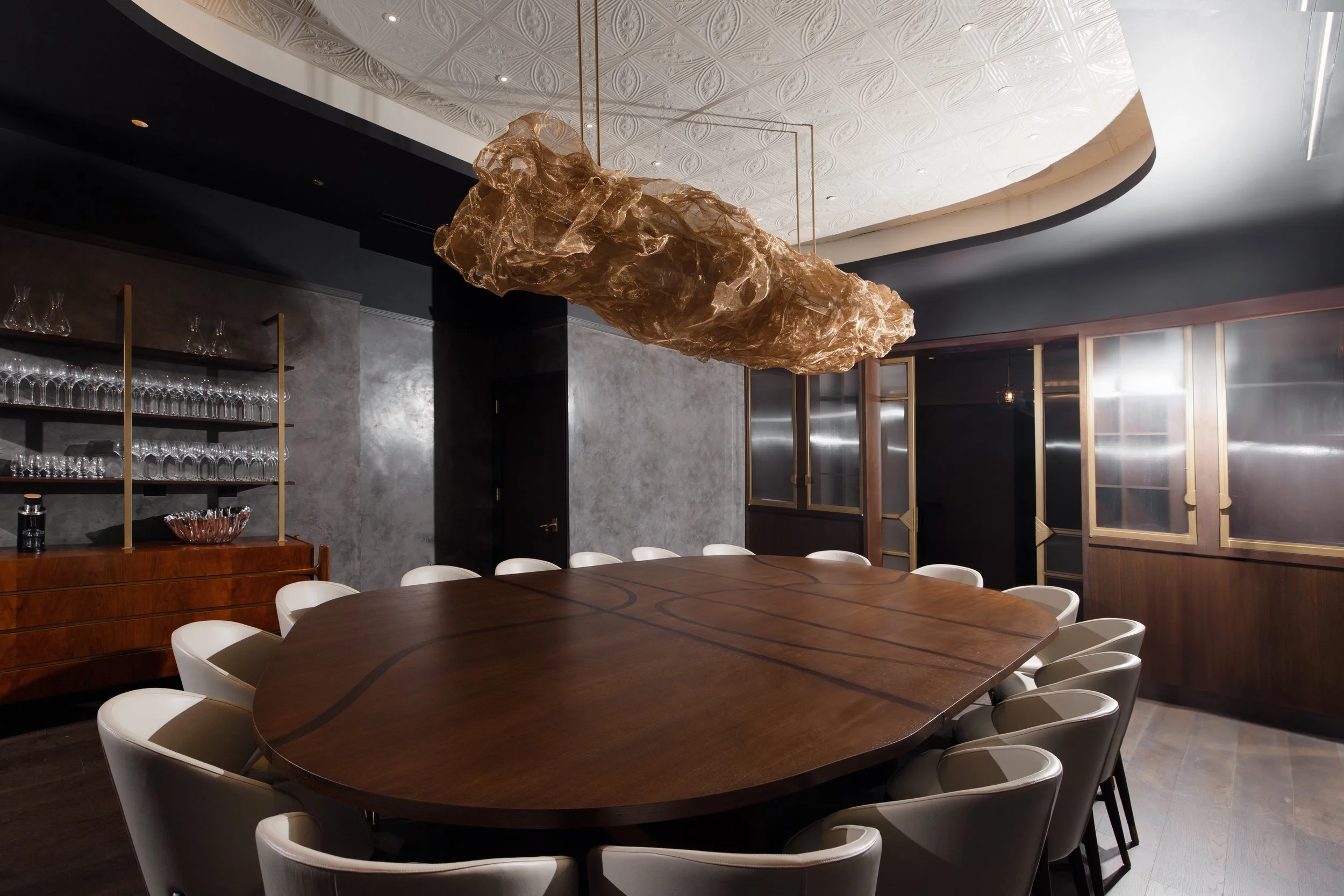
Dining Room
The evolution from meal to journey represents more than a design trend—it signals a fundamental shift in how we understand the role of hospitality in human experience. As we move forward, the most successful restaurants will be those that recognize dining as a form of social architecture, using space and sequence to facilitate the connections that nourish us far more than food alone ever could.
This foundation of understanding progressive dining as a design philosophy sets the stage for exploring how Class Act specifically uses spatial narrative to create connection.
Progressive Dining as Narrative Architecture
Progressive dining represents the convergence of culinary artistry with architectural storytelling, creating experiences that unfold across time and space like chapters in a carefully crafted novel. This approach treats restaurant design not as a static backdrop for dining, but as an active participant in creating emotional and social transformation. At its core, progressive dining recognizes that human experiences are fundamentally narrative in nature—we understand and remember our lives as stories, complete with beginnings, developments, climaxes, and resolutions.
The concept draws heavily from theatrical and cinematic narrative structures, employing techniques like pacing, revelation, and dramatic tension to create compelling guest experiences. Just as a film director guides viewers through emotional landscapes using visual composition, lighting, and scene transitions, progressive dining designers orchestrate spatial journeys that shape how guests feel and interact throughout their visit.
The psychological foundation of progressive dining rests on our understanding of how spatial transitions mirror emotional and social transitions in human interaction. When we move from one environment to another, our brains instinctively reset and recalibrate our expectations and behaviors. This phenomenon, known as environmental psychology, explains why certain spaces make us feel contemplative while others energize us, or why some environments encourage conversation while others promote solitude.
Class Act Chicago leverages these psychological principles through their three-room design, creating what amounts to narrative architecture. Each space serves a specific function in the evening’s emotional arc: the welcome room establishes tone and builds anticipation, the communal dining room facilitates connection and shared experience, and the nightcap lounge provides resolution and reflection. This progression mirrors the natural development of human relationships, from initial meeting through shared experience to lasting connection.
Cooop.co’s analysis of storytelling in hospitality design demonstrates how narrative-driven design creates deeper emotional engagement than purely aesthetic approaches. When guests can sense the intentionality behind their spatial journey, they become active participants in the experience rather than passive consumers. This participation creates investment and engagement that translates into more meaningful memories and stronger emotional connections.
The philosophy that “food is so much more than what’s on the plate. It’s a bridge that connects us to others” guides every aspect of Class Act’s spatial design. This understanding recognizes that while exceptional cuisine may bring guests through the door, it’s the emotional and social experience that brings them back. The three-room progression serves this philosophy by creating natural opportunities for connection that feel organic rather than manufactured.
The integration of culinary progression with spatial progression represents perhaps the most sophisticated aspect of Class Act’s approach. Rather than treating food and space as separate elements, they’ve created a unified experience where each course corresponds to a specific spatial environment and social dynamic. The welcome room’s light bites encourage mingling and conversation, the communal table’s shared courses facilitate bonding over common experiences, and the nightcap lounge’s carefully curated drinks extend the evening’s connections into lasting relationships.
This holistic approach requires unprecedented coordination between culinary, service, and design teams. Every element—from lighting temperature to plate timing to spatial transitions—must work in harmony to support the overall narrative. The result is an experience that feels effortless to guests while requiring extraordinary attention to detail behind the scenes.
Architizer’s exploration of restaurants where architecture serves as host highlights how space itself can provide hospitality through thoughtful design. In traditional restaurants, human service providers manage the guest experience through interaction and attention. In progressive dining concepts like Class Act, the architecture becomes a co-host, guiding guests through their journey and creating opportunities for connection that might not otherwise occur.
The temporal aspect of progressive dining adds another layer of complexity and opportunity. Unlike static dining rooms where all experiences occur simultaneously, progressive dining allows for carefully choreographed timing that builds anticipation and creates shared moments of transition. When all guests move from welcome room to dining table together, they share an experience that creates instant commonality—the foundation for conversation and connection.
This approach challenges traditional restaurant operational models in significant ways. Staff must be trained not just in service techniques, but in understanding their role as facilitators of the spatial narrative. Timing becomes crucial not just for food quality, but for maintaining the emotional pacing of the experience. Kitchen design must support not just efficient food production, but integration with the dining room’s social dynamics.
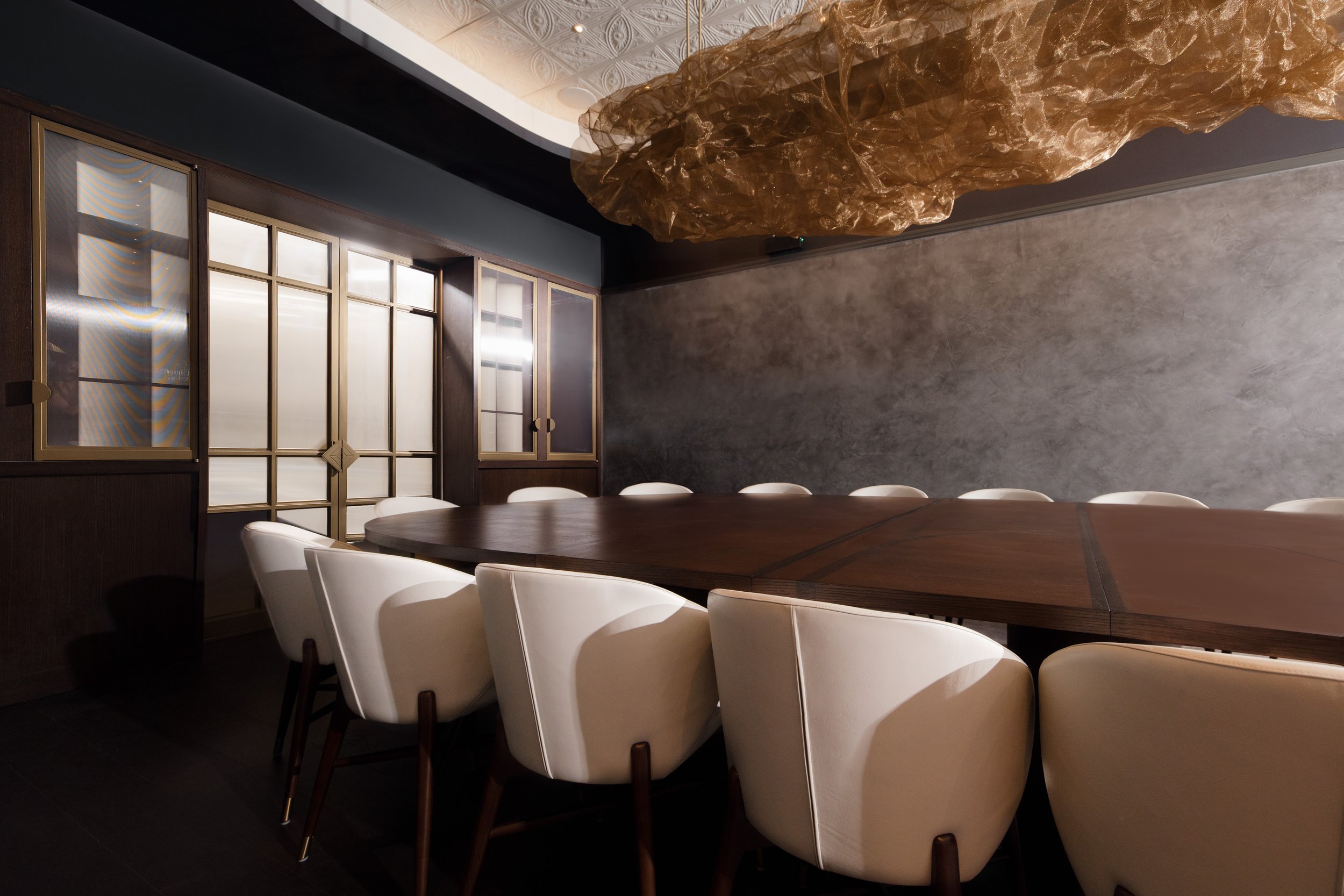
Dining Room
The success of progressive dining as narrative architecture ultimately depends on authenticity and intentionality. Guests can instinctively sense when spatial experiences serve genuine purposes versus when they’re implemented for novelty or marketing appeal. Class Act’s three-room journey succeeds because each element serves the clear purpose of facilitating human connection, creating an experience that feels both special and authentic.
Progressive dining represents more than an innovative restaurant concept—it’s a new form of applied social psychology that uses space and sequence to address fundamental human needs for connection and meaningful experience. As urban life becomes increasingly fragmented and digital interactions replace face-to-face conversations, concepts like Class Act offer a compelling vision for how hospitality can serve as a counterweight to social isolation.
With the conceptual foundation established, we now explore how this philosophy manifests in the first act of Class Act’s spatial story.
Act One: The Welcome Room - Setting the Stage for Connection
The journey at Class Act Chicago begins before guests realize they’ve started traveling. The welcome room serves as both practical entry point and emotional threshold, a carefully designed transition space that signals the beginning of something extraordinary while remaining approachable and welcoming. This initial environment represents perhaps the most crucial element of the three-room experience, as it establishes the tone for everything that follows and begins the process of transforming individual diners into a cohesive group ready for shared experience.
Understanding the psychology of first impressions reveals why the welcome room deserves such careful attention. Research in environmental psychology demonstrates that people form lasting judgments about spaces and experiences within the first few seconds of encounter. These initial impressions create expectations and emotional frameworks that influence how guests interpret every subsequent interaction. A well-designed welcome room doesn’t just greet guests—it prepares them psychologically for the type of experience they’re about to have.
TDP Architecture’s insights on memorable hospitality design emphasize how first impressions in hospitality spaces set guest expectations and emotional tone for entire visits. The welcome room at Class Act serves as a decompression chamber from the urban energy of Chicago’s Bucktown neighborhood, allowing guests to transition from the pace and mindset of their daily lives into the contemplative, connection-focused atmosphere that defines the Class Act experience.
The spatial design of the welcome room reflects deep understanding of human behavior in transitional spaces. Rather than functioning as a simple waiting area, it’s designed as a legitimate part of the evening’s experience, complete with comfortable seating arrangements that encourage conversation between strangers. The lighting creates intimacy without feeling closed off, while carefully chosen materials and textures signal quality and attention to detail without intimidating guests who might be experiencing progressive dining for the first time.
The welcome room’s role in anticipation building cannot be overstated. By creating a dedicated space for arrival and orientation, Class Act allows guests to mentally prepare for the unique nature of their evening. This preparation time serves multiple psychological functions: it allows the nervous excitement of trying something new to transform into eager anticipation, it provides opportunities for initial conversations between strangers who will soon share a table, and it creates a clear demarcation between the outside world and the special environment guests are entering.
Specific design choices throughout the welcome room communicate Class Act’s dinner party philosophy in subtle but effective ways. The scale and arrangement of seating suggests intimacy rather than formality, while carefully curated art and décor create conversation starters that help break the ice between guests who don’t know each other. Every element works to signal that this will be a different kind of dining experience—more personal, more connected, more meaningful than typical restaurant visits.
The transition from individual arrival to collective experience preparation represents one of the most sophisticated aspects of the welcome room’s design. When guests arrive separately throughout the evening’s seating window, they initially exist as individual parties with separate agendas. The welcome room’s environment and service style gradually shift this dynamic, encouraging cross-party conversation and creating awareness that everyone present will soon share a communal experience.
WD Architecture’s exploration of guest experience through design examines how architecture shapes emotional responses in hospitality settings, noting that successful transition spaces help guests shed their external concerns and focus on the present experience. Class Act’s welcome room achieves this through carefully orchestrated sensory elements: music that encourages conversation without overwhelming it, lighting that flatters and relaxes, and spatial proportions that feel intimate without being confining.
The service philosophy in the welcome room reflects the broader Class Act approach to hospitality as facilitation rather than performance. Staff members function as gracious hosts at a sophisticated house party, making introductions between guests when appropriate, sharing insights about the evening’s menu and format, and generally creating an atmosphere where strangers feel comfortable engaging with each other. This approach requires exceptional staff training, as team members must read social dynamics and adjust their interventions accordingly.
The beverage program in the welcome room serves multiple functions beyond refreshment. The carefully curated selection of cocktails and wines creates natural conversation topics while providing guests with something to hold and sip during what might otherwise be potentially awkward social interactions. The drinks themselves are designed to complement the evening’s upcoming flavors without overwhelming palates, setting the stage for the culinary journey ahead.
The temporal aspects of the welcome room experience require careful choreography to maintain energy and anticipation without creating anxiety about timing. Guests must feel welcomed and relaxed without losing the sense that they’re part of a special event with a schedule to maintain. This balance requires precise operational coordination between front-of-house and culinary teams, ensuring that the welcome room experience feels leisurely while keeping the evening’s overall pacing on track.
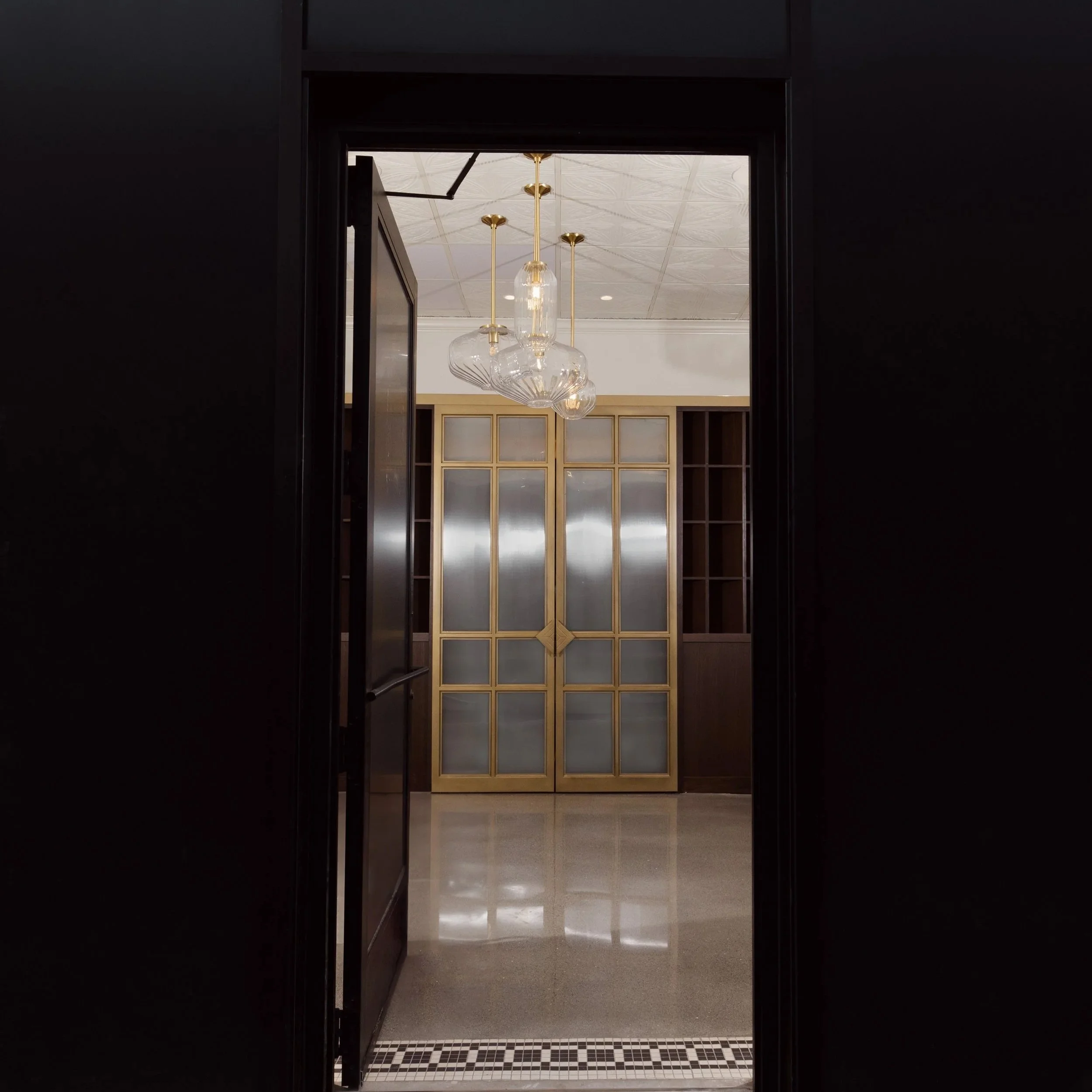
Welcome Foyer
The technology integration in the welcome room reflects Class Act’s commitment to enhancing rather than replacing human interaction. Rather than relying on screens or apps for entertainment or information, the space encourages face-to-face conversation through thoughtful design and strategic service interventions. This approach aligns with the restaurant’s broader mission of facilitating genuine human connection in an increasingly digital world.
The success of the welcome room ultimately measures itself not in Instagram photos or design awards, but in the quality of connections it facilitates. When strangers leave the welcome room as acquaintances excited to share a meal together, the space has fulfilled its primary function. When guests transition from the social anxiety of meeting new people to the eager anticipation of shared experience, the welcome room has achieved its goal of setting the stage for meaningful connection.
The design principles that make the welcome room successful extend beyond Class Act’s specific implementation to offer insights for other hospitality professionals seeking to create more meaningful guest experiences. The combination of thoughtful spatial design, strategic service philosophy, and careful attention to psychological transition creates a model that could be adapted across various hospitality contexts.
As guests move from welcome to dining room, they cross the threshold from anticipation into the heart of the Class Act experience.
Act Two: The Communal Table - Where Strangers Become Companions
The heart of the Class Act experience beats strongest in the dining room, where a single 16-seat communal table transforms the solitary act of dining into a shared journey of discovery and connection. This central space represents the bold culmination of Chef Nicolai Mlodinow’s vision: a place where the artificial boundaries between parties dissolve, where conversations flow as freely as the wine, and where strangers discover the profound joy of breaking bread together with people they’ve just met.
The intentional choice of communal over individual seating reflects deep understanding of how physical arrangements influence social behavior. Traditional restaurant design prioritizes privacy and separation, allowing diners to focus inward on their immediate party while remaining largely disconnected from the broader dining room energy. Class Act’s communal table creates the opposite dynamic: a shared space that naturally encourages interaction while maintaining enough sophistication to feel special rather than cafeteria-like.
The psychology of communal dining reveals why this arrangement proves so powerful in creating connection. When people share a table, they automatically become part of each other’s peripheral awareness, making natural conversation far more likely than when separated by distinct seating areas. The simple act of reaching for shared water or passing condiments creates micro-interactions that can evolve into meaningful conversations. These small gestures break down the social barriers that typically exist between strangers in public spaces.
National Geographic’s research on communal dining and mental health provides scientific backing for the benefits of shared dining experiences, demonstrating measurable improvements in social connection, emotional well-being, and overall life satisfaction among people who regularly share meals with others. Class Act’s communal table concept taps into these fundamental human needs, creating an environment where the benefits of shared dining can emerge organically.
The open kitchen design at Class Act serves multiple functions beyond mere transparency. By removing the traditional barriers between culinary team and guests, the open kitchen creates a sense of shared participation in the evening’s creation. Diners can witness the artistry and coordination required to produce their meal, developing appreciation not just for the final dishes but for the skill and effort involved in their preparation. This transparency builds trust and connection between kitchen and dining room while adding an element of performance to the evening’s entertainment.
The integration of culinary presentation with social facilitation represents one of Class Act’s most sophisticated achievements. Each course is designed not only for flavor and visual appeal, but for its potential to create shared experiences and conversation topics. Dishes that require explanation from servers, ingredients that guests might not recognize, or preparation techniques that invite curiosity all serve as natural conversation starters that help bridge potential social gaps between strangers.
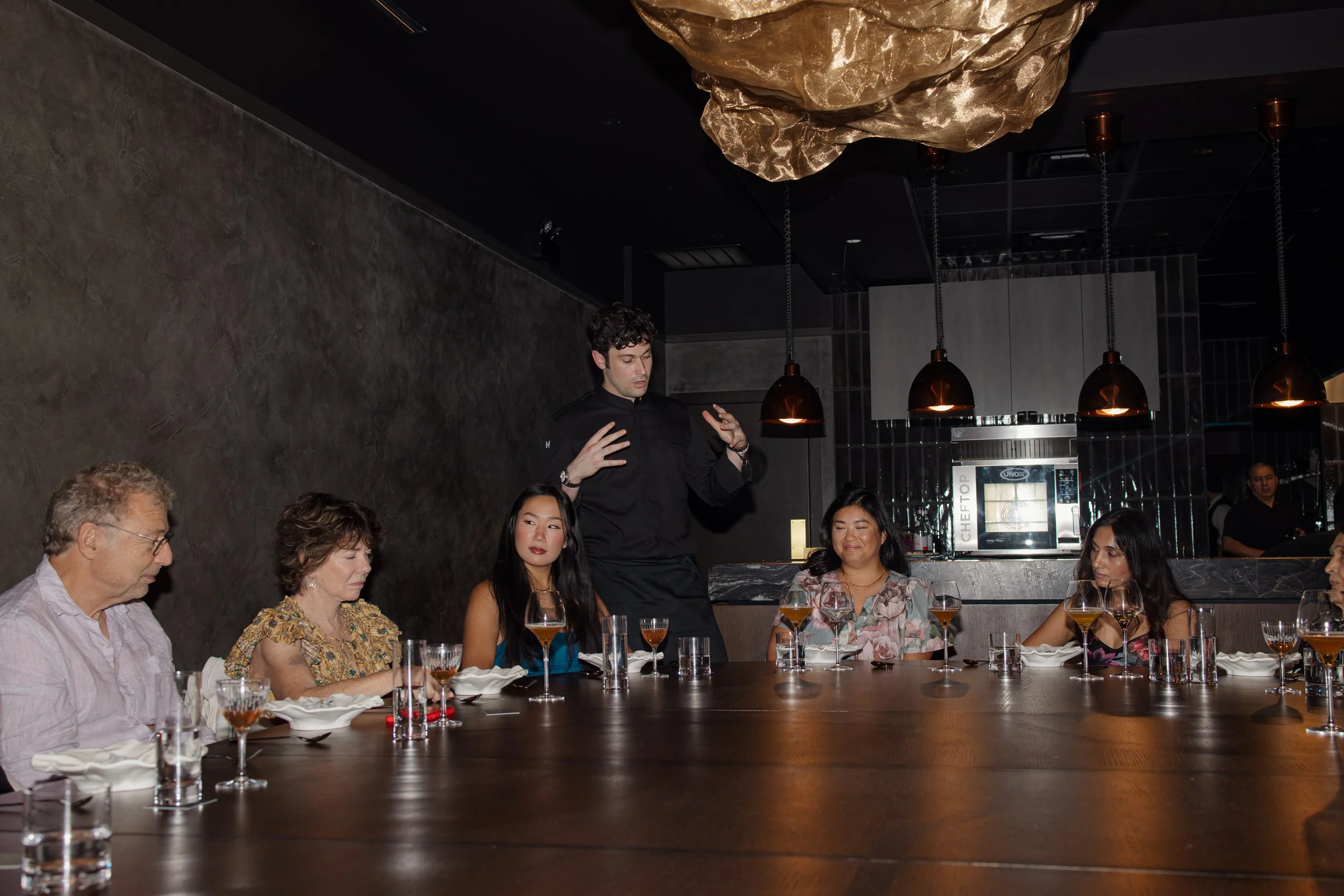
Chef Nicolai Interacts with Guests In The Dining Room
Chef Nicolai Mlodinow’s role extends far beyond traditional culinary leadership to encompass social facilitation and experience orchestration. Throughout the evening, he moves between kitchen and dining room, engaging with guests not just about food but about their experiences, their backgrounds, and their reactions to the meal. This personal attention from the chef creates shared reference points for conversation while reinforcing the dinner party atmosphere that defines the Class Act experience.
American SPCC’s insights on restaurant design that encourages belonging support the psychological benefits of community table design, noting that shared seating arrangements create feelings of inclusion and belonging that individual tables cannot replicate. The 16-seat configuration at Class Act represents the optimal balance between intimacy and energy—large enough to create dynamic conversation but small enough for everyone to feel connected to the broader group experience.
The balance between intimacy and energy in the dining room design requires careful consideration of numerous factors: lighting that flatters without being dim, acoustics that support conversation without creating cacophony, and spatial proportions that feel cozy without seeming cramped. Every design decision must support both individual comfort and group cohesion, creating an environment where people feel simultaneously comfortable in their own space and connected to their fellow diners.
The service philosophy in the dining room reflects Class Act’s understanding that servers function as social facilitators rather than simply order takers and plate carriers. Staff members receive extensive training in reading group dynamics, making appropriate introductions between guests, and creating service moments that enhance rather than interrupt the natural flow of conversation around the table. This approach requires exceptional emotional intelligence and social skills that extend far beyond traditional restaurant service training.
The wine and beverage program integrates seamlessly with the communal dining concept, featuring selections that encourage sharing and discussion. Rather than individual cocktails consumed in isolation, the program emphasizes wines that complement the food while providing topics for conversation and comparison. Wine service becomes an educational and social experience that adds layers of engagement to the evening while supporting the overall goal of facilitating connection.
KRG Hospitality’s analysis of dining space psychology explains how seating arrangements influence guest satisfaction and behavior, noting that communal seating configurations consistently produce higher levels of guest engagement and satisfaction when implemented thoughtfully. The key lies in creating environments that feel intentionally designed for sharing rather than accidentally crowded or impersonal.
The temporal rhythm of the dining room experience reflects careful orchestration between culinary pacing and social dynamics. Course timing must allow sufficient opportunity for conversation and connection while maintaining the momentum that keeps energy high and engagement active. This balance requires constant attention from service staff who monitor both individual table satisfaction and overall group energy levels.
The challenge of maintaining individual comfort within a communal experience requires exceptional attention to guest preferences and dietary restrictions. Class Act’s team must coordinate personalized service for 16 different diners while maintaining the sense of shared experience that defines the concept. This operational complexity demands sophisticated planning and execution that remains invisible to guests but critical to success.
The role of technology in the dining room reflects Class Act’s commitment to human connection over digital distraction. Rather than encouraging phone use for photos or social media sharing, the environment naturally draws attention to present-moment experiences and face-to-face interaction. The design and service style create an atmosphere where digital devices feel unnecessary and somewhat inappropriate, encouraging guests to fully engage with their immediate surroundings and fellow diners.

Chef Nicolai In the Open Kitchen
The measurement of success in the dining room goes beyond traditional restaurant metrics like order accuracy or service timing to include more nuanced indicators of social connection and guest engagement. Success reveals itself in the quality of conversations around the table, the number of new connections made between previously unknown guests, and the reluctance of diners to leave when their meal concludes. These qualitative measures reflect Class Act’s commitment to creating experiences that transcend typical dining expectations.
The educational aspect of the dining room experience adds intellectual engagement to the social and culinary elements of the evening. Guests learn not only about ingredients and preparation techniques but also about their fellow diners’ backgrounds, interests, and perspectives. This multi-layered learning experience creates value that extends far beyond the meal itself, providing insights and connections that guests carry into their lives beyond Class Act.
As the meal concludes and new friendships have formed, guests move to the final act of their Class Act journey.
Act Three: The Nightcap Lounge - Reflection and Lasting Connections
The transition from dining table to lounge marks the beginning of the most subtle yet crucial phase of the Class Act experience. As guests settle into comfortable seating with carefully crafted cocktails or digestifs, the nightcap lounge provides space for the evening’s experiences to crystallize into lasting memories and newly formed connections to deepen into potential friendships. This final room serves as both conclusion to the dining narrative and launch pad for relationships that may continue long after the evening ends.
The importance of denouement in experiential design cannot be overstated, yet it remains one of the most overlooked elements in traditional restaurant concepts. Most dining experiences end abruptly with the payment of the check, providing no space for reflection or gradual transition back to the outside world. The nightcap lounge addresses this gap by creating a dedicated environment for processing the evening’s experiences while maintaining the connections formed during dinner.
The psychological impact of having a dedicated space for reflection and digestion extends beyond simple comfort to influence how guests remember and value their entire experience. Memory formation research demonstrates that experiences with clear conclusions and processing time create stronger, more positive lasting impressions than those that end abruptly. The lounge provides this processing time while maintaining the elevated atmosphere that makes the experience feel special and complete.
Hotel Dive’s exploration of storytelling in restaurant experiences discusses how successful restaurant concepts center around narrative experiences that include satisfying conclusions. The nightcap lounge serves this narrative function by providing resolution to the evening’s social and culinary journey while opening possibilities for future chapters in the relationships formed during dinner.
The design elements that encourage lingering while respecting operational needs require careful balance between guest comfort and business practicality. Seating must be comfortable enough to support extended conversation without being so relaxing that it encourages indefinite occupation. Lighting should remain intimate and flattering while gradually shifting to signal the approaching end of service. These subtle environmental cues help guests recognize natural transition points without feeling rushed or unwelcome.
The lounge space supports continued conversation and relationship building through thoughtful furniture arrangements that facilitate both intimate pairs and small group discussions. Unlike the structured seating of the communal dining table, the lounge offers flexible arrangements that allow conversations to evolve organically as interests and connections develop. Some guests may prefer one-on-one conversations with new acquaintances, while others enjoy continuing group discussions that began during dinner.
The beverage program in the lounge reflects the sophisticated palates developed throughout the evening while providing new topics for conversation and exploration. Carefully curated spirits, digestifs, and specialty cocktails offer opportunities for education and discussion while supporting the relaxed atmosphere that encourages lingering conversation. The selection balances familiar comfort with adventurous options that maintain the sense of discovery that defined the earlier dining experience.
EHL Hospitality Insights on communal spaces design examines the psychology and design of spaces that encourage guest interaction, noting that successful communal areas require careful attention to acoustics, lighting, and spatial proportions. The Class Act lounge achieves these requirements through design choices that support intimate conversation while maintaining connection to the broader space and group energy.
The role of service staff in the lounge requires a different skill set than traditional restaurant service, focusing more on social facilitation and less on food and beverage delivery. Staff members must read the room to determine when intervention enhances conversation and when it interrupts natural social flow. This requires exceptional emotional intelligence and understanding of group dynamics that extends far beyond traditional hospitality training.
The transition from the structured experience of dinner to the free-form socializing of the lounge creates opportunities for relationships to develop beyond the artificial framework of shared dining. In the lounge, conversations can become more personal, connections more genuine, and relationships more likely to continue beyond the evening. This transition from structured to unstructured interaction mirrors the natural development of friendships and social connections.
The temporal management of the lounge experience requires balancing guest satisfaction with operational requirements. While the space should feel unhurried and welcoming, it must also respect the needs of staff and the constraints of closing procedures. Creating this balance requires clear but gentle communication about timing expectations while maintaining the relaxed atmosphere that makes the lounge valuable to guests.
The educational opportunities continue in the lounge through discussions about the spirits and cocktails being served, but extend beyond beverage education to include continued conversation about the evening’s culinary experiences and their broader context. Guests often use lounge time to discuss their reactions to specific dishes, compare their dining experiences with others at the table, and process the unique nature of the communal dining format.
The networking potential of the lounge represents an often-unexpected benefit of the Class Act experience. Business relationships, romantic connections, and lasting friendships frequently develop in the relaxed atmosphere of the nightcap space, where the formal structure of dinner gives way to natural conversation and genuine interest in fellow guests. These connections create value that extends far beyond the restaurant experience itself.
The challenge of maintaining energy and engagement during the lounge phase requires careful attention to group dynamics and individual preferences. Some guests may be ready to leave immediately after dinner, while others could happily continue conversations for hours. Successfully managing these different energy levels and social preferences requires flexible service approaches and spatial design that accommodates varying needs.
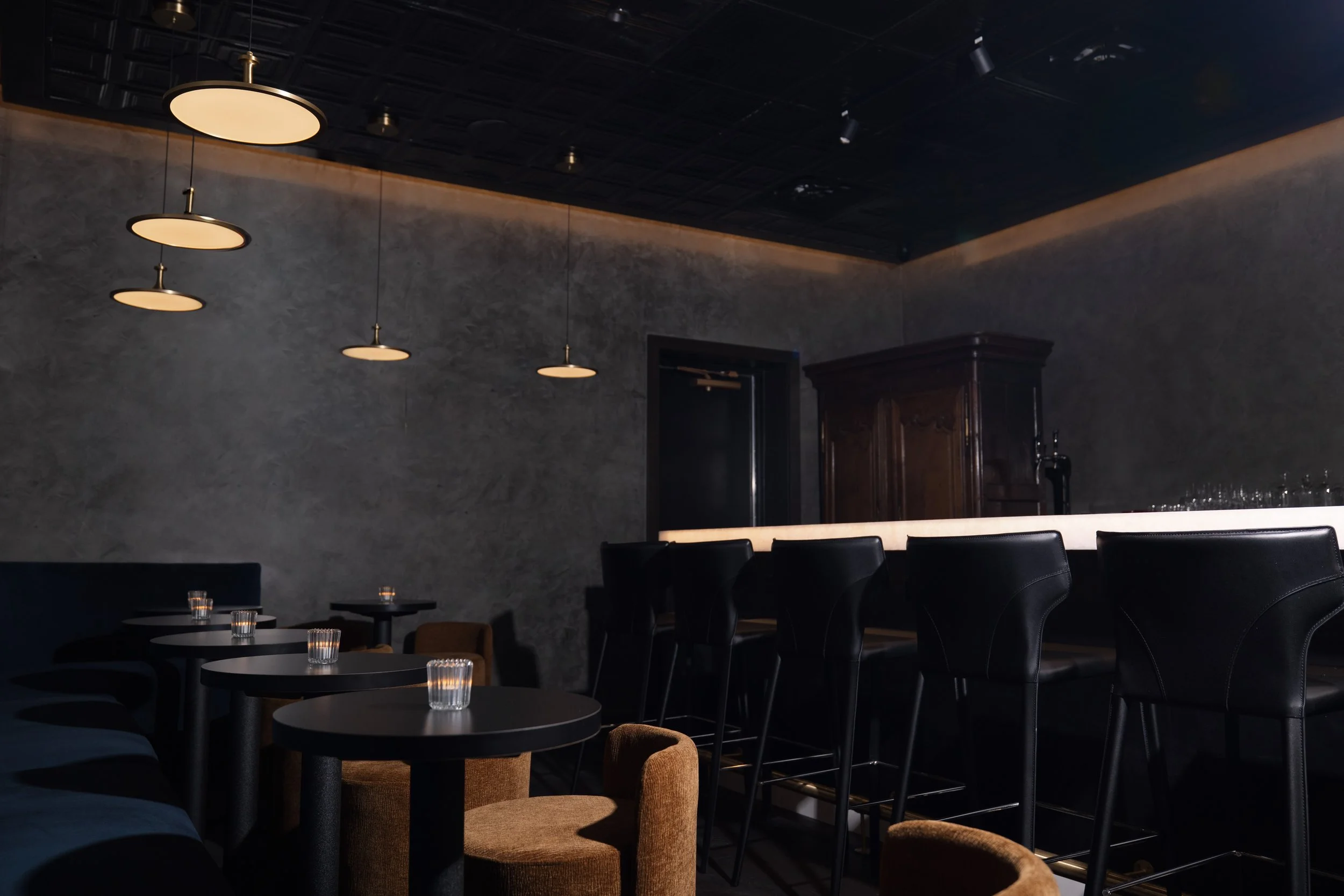
Nightcap Speakeasy Bar
The integration of technology in the lounge maintains Class Act’s commitment to human connection over digital distraction. While guests may exchange contact information using their phones, the environment continues to encourage face-to-face interaction over social media engagement or other digital activities. The goal remains facilitating real-world connections that continue beyond the evening’s experience.
The measurement of lounge success focuses on qualitative indicators like conversation quality, connection formation, and guest reluctance to leave. When guests linger not because they feel obligated but because they genuinely want to continue their conversations and connections, the lounge has succeeded in its primary mission. When new friendships begin in the lounge space, the entire three-room concept has achieved its goal of facilitating meaningful human connection.
The lounge’s role in extending the value of the dining experience beyond the meal creates lasting impressions that influence guest loyalty and word-of-mouth marketing. Guests who form meaningful connections in the lounge become advocates for the Class Act experience, sharing stories that emphasize the social and emotional benefits rather than simply the culinary quality. This type of marketing creates the most powerful recommendation possible: authentic enthusiasm for an experience that changed how someone thinks about dining and connection.
The three-room journey represents more than spatial progression—it demonstrates a comprehensive approach to designing for human connection.
Designing for Human Connection: The Philosophy Behind Progressive Hospitality
The success of Class Act Chicago’s three-room concept extends far beyond innovative restaurant design to represent a comprehensive philosophy of progressive hospitality that addresses fundamental challenges facing modern society. In an age when technology promises connection while often delivering isolation, when urban life creates proximity without community, and when social media provides interaction without intimacy, Class Act’s approach demonstrates how thoughtful design can facilitate authentic human connection in meaningful and measurable ways.
The measurable impact of thoughtful space design on guest satisfaction and connection reveals itself through both quantitative metrics and qualitative feedback that extends far beyond traditional restaurant evaluation criteria. While Class Act maintains excellent ratings for food quality and service, the most compelling testimonials focus on the relationships formed, the conversations enjoyed, and the sense of community experienced during visits. Guests frequently report maintaining friendships initiated during their Class Act experience, demonstrating the lasting value of designing specifically for connection.
Carroll Design’s insights on restaurant design for social interaction provides evidence for the social benefits of thoughtful restaurant design, noting that environments designed to encourage interaction consistently produce higher levels of guest satisfaction and loyalty. The key lies in understanding that social satisfaction often outweighs culinary satisfaction in creating memorable experiences that guests want to repeat and recommend.
The broader implications of Class Act’s model for addressing modern challenges of social isolation through hospitality represent perhaps its most significant contribution to the industry. As rates of loneliness and social disconnection continue rising across demographics, particularly in urban environments, hospitality concepts that prioritize human connection serve an increasingly important social function that extends far beyond entertainment or sustenance.
The business case for investing in experiential design over purely aesthetic choices becomes compelling when examined through metrics that extend beyond traditional restaurant success indicators. While beautiful design might generate social media buzz and initial visits, experiential design that facilitates connection creates the customer loyalty and word-of-mouth marketing that sustain long-term business success. Guests who form meaningful connections during their visits become invested in the restaurant’s success in ways that purely aesthetic experiences cannot replicate.
Training Hotels’ analysis of guest satisfaction psychology supports the connection between positive emotional experiences and business outcomes, demonstrating that guests who form social connections during hospitality experiences show significantly higher likelihood of return visits, positive reviews, and recommendations to others. The investment in designing for connection pays measurable dividends in customer lifetime value and acquisition costs.
The practical considerations for implementing progressive dining concepts require significant operational adjustments that extend far beyond design and construction. Staff training must emphasize social facilitation skills alongside traditional service competencies. Kitchen operations must coordinate not just with service timing but with social pacing and group dynamics. Reservation systems must balance group composition with operational efficiency, considering factors like personality types and conversation potential alongside traditional party size and timing requirements.
The role of staff training and operational design in supporting spatial storytelling cannot be overstated. Every team member, from culinary to beverage to hospitality, must understand their role in facilitating the three-room narrative and be equipped with skills to enhance rather than interfere with the connections forming among guests. This requires investment in training programs that develop emotional intelligence, social awareness, and improvisational skills that extend far beyond traditional hospitality education.
The coordination required between different operational areas—reservations, service, culinary, and management—demands sophisticated communication systems and shared understanding of the experience goals. When any element fails to support the connection-focused mission, the entire concept suffers. This operational complexity requires significant investment in training, systems, and coordination that many restaurants may find challenging to implement successfully.
The adaptation of progressive dining concepts to different market segments and operational contexts requires careful consideration of target demographics, cultural factors, and local dining preferences. While the fundamental principles of designing for connection remain universal, their specific implementation must reflect the values and expectations of particular markets. What works in Chicago’s sophisticated dining scene may require significant adaptation for other geographic or demographic contexts.
Class Act Chicago’s private events page demonstrates how the three-room concept adapts to different event types while maintaining its core focus on facilitating connection. Corporate events, celebrations, and special occasions all benefit from the progressive structure while requiring different approaches to group dynamics and timing. This adaptability suggests broader applications for the progressive dining philosophy beyond standard restaurant service.
The future implications for fine dining and hospitality design trends suggest that Class Act’s approach represents the beginning of a broader shift toward experience-focused hospitality design. As consumers increasingly prioritize experiences over material possessions, and as social isolation becomes a more recognized public health concern, hospitality concepts that address these needs will likely gain competitive advantages over purely aesthetic or culinary-focused approaches.
The scalability challenges of progressive dining concepts require honest assessment of the resources and commitment required for successful implementation. The intensive staffing, complex operations, and significant space requirements make this model challenging to replicate without substantial investment in training, systems, and facilities. However, elements of the progressive dining philosophy can be adapted and implemented across various hospitality contexts without requiring complete operational transformation.
The educational opportunities for hospitality professionals studying Class Act’s model extend beyond operational details to encompass fundamental questions about the purpose and potential of hospitality in contemporary society. When restaurants function as community-building institutions rather than simply food service providers, they serve social functions that create value extending far beyond their immediate commercial success.
The innovation potential within progressive dining concepts remains largely unexplored, with opportunities for technological integration, cultural adaptation, and operational refinement that could expand the model’s accessibility and impact. Future developments might include systems for facilitating connections between guests with shared interests, expanded programming that extends relationships beyond single visits, or partnerships with community organizations that leverage the connection-building expertise for broader social benefit.
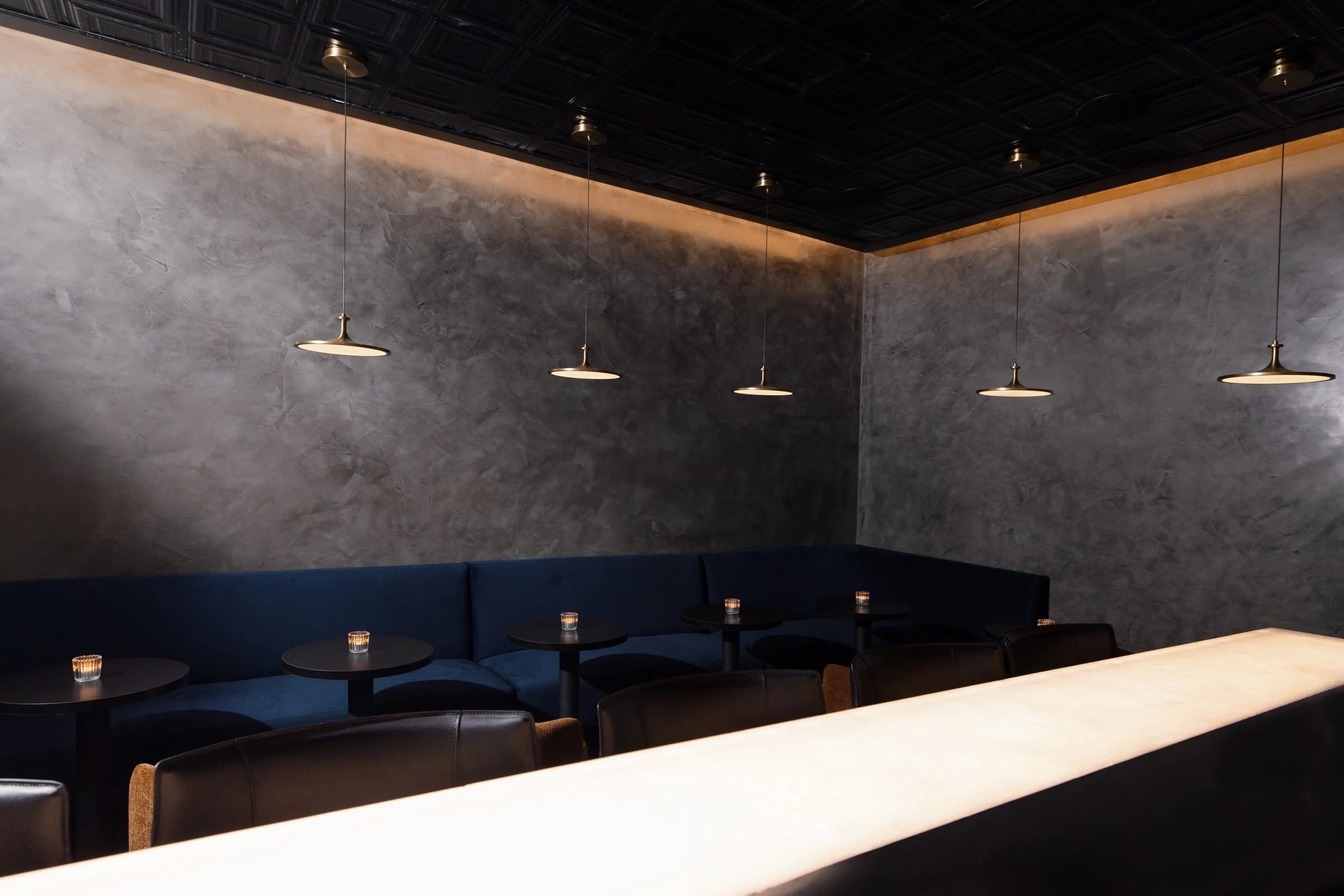
Nightcap Speakeasy
The measurement and evaluation of connection-focused hospitality concepts require development of new metrics that capture social and emotional value alongside traditional business indicators. Success must be evaluated through guest relationship formation, community building impact, and long-term social outcomes that extend far beyond immediate financial performance. These measurements challenge traditional restaurant evaluation frameworks while providing insights into the broader social impact of thoughtful hospitality design.
The competitive advantages of progressive dining concepts lie not in their exclusivity or novelty, but in their ability to create value that extends far beyond the immediate dining experience. When guests form lasting relationships, gain new perspectives, or experience genuine community through their restaurant visits, they become invested in the restaurant’s success in ways that purely transactional experiences cannot replicate.
Class Act’s success demonstrates that when we design spaces for authentic human connection, we create value that extends far beyond a single meal.
Conclusion
Class Act Chicago’s three-room progressive dining experience represents more than an innovative restaurant concept—it’s a blueprint for how thoughtful spatial design can address our fundamental human need for connection in an increasingly disconnected world. In a society where technology promises to bring us together while often driving us apart, where urban environments create physical proximity without emotional intimacy, and where social interactions increasingly occur through screens rather than across shared tables, Chef Nicolai Mlodinow and his team have created something revolutionary: a physical space that breaks down barriers and builds bridges between strangers.
The success of this model lies not in its novelty or Instagram-worthy aesthetics, but in its deep understanding of human psychology and social dynamics. By recognizing that authentic connection requires intention, time, and the right environment, Class Act has designed a system that facilitates the kinds of meaningful encounters that nourish the human spirit. The three-room journey—from welcome to dining to nightcap—mirrors the natural progression of human relationships: initial meeting, shared experience, and lasting connection.
The implications of Class Act’s approach extend far beyond the restaurant industry to offer insights for anyone seeking to create environments that foster genuine human connection. Whether designing corporate offices, community centers, or residential spaces, the principles demonstrated at Class Act—intentional progression, shared experiences, and dedicated spaces for reflection and relationship building—can be adapted to serve the universal human need for authentic community.
For hospitality professionals, the lesson is clear and profound: when we prioritize authentic human experience over efficiency metrics, when we design for connection over convenience, when we invest in facilitating relationships rather than simply processing transactions, we create not just customers, but communities. Class Act’s success demonstrates that guests will pay premium prices and travel significant distances for experiences that feed their souls as well as their bodies.
The business implications of this approach challenge traditional restaurant success metrics while suggesting new pathways to sustainable profitability. Customer loyalty built on emotional connection proves far more resilient than loyalty based solely on culinary excellence or aesthetic appeal. Word-of-mouth marketing generated by transformative experiences carries weight that no advertising budget can purchase. Return visits motivated by community membership create predictable revenue streams that transcend seasonal fluctuations or competitive pressures.
The three-room progressive dining model also addresses broader social challenges that extend well beyond hospitality. As rates of loneliness, social isolation, and mental health struggles continue rising across demographics, particularly in urban environments, concepts like Class Act serve crucial community health functions. They create opportunities for intergenerational interaction, cross-cultural exchange, and the formation of social bonds that strengthen the fabric of local communities.
The educational value of the Class Act experience encompasses far more than culinary knowledge or dining etiquette. Guests learn about themselves through interactions with strangers, discover common ground with people from different backgrounds, and practice the social skills that technology-mediated communication often fails to develop. These learning opportunities create lasting value that guests carry into their personal and professional relationships long after their visit concludes.
The replicability of Class Act’s success depends not on copying their specific design elements or operational procedures, but on embracing their fundamental philosophy: that hospitality at its best serves as social architecture that facilitates human flourishing. This philosophy can be adapted across various scales, budgets, and markets while maintaining its core commitment to authentic connection over superficial interaction.
The measurement of Class Act’s true success reveals itself not in quarterly financial reports or industry awards, but in the relationships formed around their communal table, the friendships that continue long after meals end, and the sense of community that guests carry into their daily lives. When strangers become friends through shared dining experiences, when business relationships evolve into personal connections, when guests choose to celebrate life’s important moments together at Class Act, the restaurant has achieved its highest purpose.
The future of fine dining, as demonstrated by Class Act Chicago, lies not in increasingly elaborate techniques or exotic ingredients, but in the timeless human desire for authentic connection and meaningful experience. As our world becomes more complex and fragmented, the simple act of sharing a meal with intention and care becomes increasingly radical and necessary.
Class Act’s three rooms prove that the future of hospitality isn’t just about what’s on the plate—it’s about what happens around the table, the journey that brings us there, and the connections that continue long after we leave. In a world hungry for authentic experience and genuine community, concepts like Class Act don’t just serve food—they serve hope for human connection in an age that desperately needs it.
Experience Class Act Chicago’s three-room progressive dining journey for yourself. Make a reservation to discover how thoughtful spatial design can transform an evening into an unforgettable journey of culinary artistry and human connection. Visit Class Act at 1737 N Damen Ave in Chicago’s Bucktown neighborhood, where every seating brings together a unique combination of guests around their signature 16-seat communal table for an experience that proves dining at its finest is about far more than the food—it’s about the connections we make and the memories we create together.