What is Fine Dining? A Chef’s Complete Guide
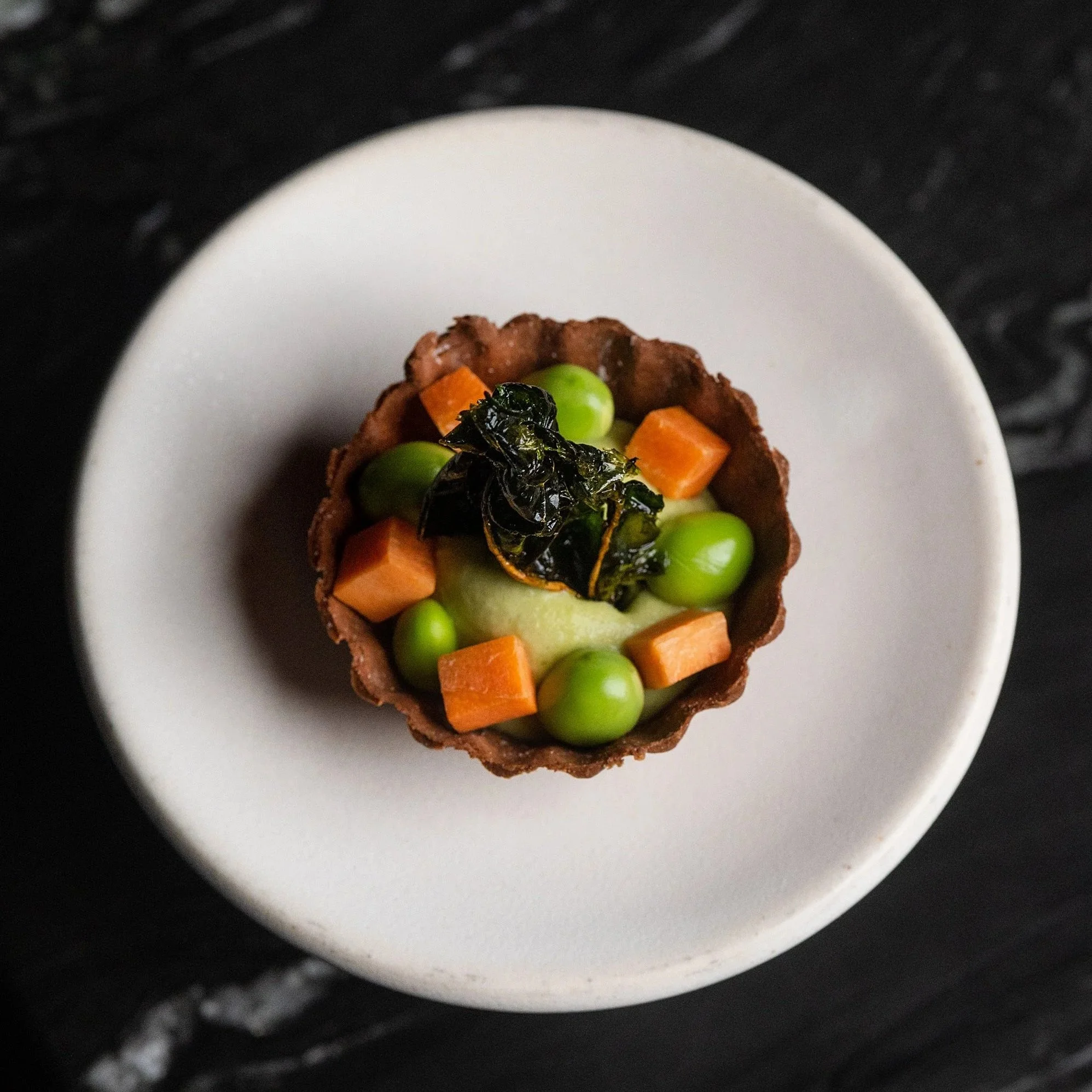
Harvest
The fork trembles slightly in her hand as she takes her first bite. The silence at table seven stretches for what feels like an eternity—until her eyes widen, and a small gasp escapes her lips. In that moment, something magical has happened. A carefully orchestrated symphony of flavors, textures, and temperatures has transformed mere sustenance into pure artistry. This is the power of fine dining: the ability to create moments that transcend the everyday and touch something deeper within us.
But what exactly transforms a meal from simple nourishment into an unforgettable experience? As someone who has dedicated my career to creating these moments nightly at Class Act, I’ve witnessed firsthand how the convergence of exceptional ingredients, masterful technique, artistic presentation, and impeccable service can elevate dining into an art form. Fine dining isn’t just about expensive ingredients or elaborate presentations—it’s about craftsmanship, intention, and the relentless pursuit of perfection in service of creating genuine human connection.
Tonight, I invite you to journey with me through the world of fine dining, from its historical foundations to its modern innovations. We’ll explore what distinguishes truly exceptional restaurants from the merely good ones, examine how the industry continues to evolve, and discover why, despite changing trends and tastes, fine dining remains one of our most enduring cultural institutions. Whether you’re a curious diner, an aspiring culinary professional, or simply someone who believes food has the power to create lasting memories, this guide will deepen your appreciation for the artistry that happens when passion meets plate.
The Foundation: Defining Fine Dining
When most people hear “fine dining,” their minds immediately jump to white tablecloths, hushed voices, and astronomical prices. While these elements might be present in some fine dining establishments, they represent only the surface of what truly defines this culinary category. At its core, fine dining represents the convergence of exceptional ingredients, masterful technique, artistic presentation, and impeccable service—all orchestrated to create an experience that engages not just the palate, but all the senses and emotions.
Fine dining stands apart from other restaurant categories through its commitment to excellence in every detail. Unlike casual dining, where convenience and value often take precedence, or fast-casual concepts focused on speed and efficiency, fine dining prioritizes the holistic experience above all else. Every element, from the weight of the cutlery to the temperature of the bread plate, is considered and intentional. This attention to detail isn’t about pretension—it’s about respect for the craft and the guest.
Perhaps the most persistent misconception about fine dining is that it’s simply about expense. While quality ingredients and skilled labor command fair compensation, true fine dining offers value that extends far beyond the monetary. It’s about the weeks of experimentation behind each dish, the relationships with farmers and purveyors that ensure peak seasonality, and the countless hours of practice that allow a server to anticipate your needs before you’ve even expressed them. According to culinary professionals, fine dining represents the highest expression of hospitality arts, where technical skill meets creative vision to create something genuinely transformative.
The role of intentionality cannot be overstated in fine dining. Every decision, from menu composition to lighting design, serves the greater purpose of creating a cohesive experience. Consider the careful progression of a tasting menu: lighter, more delicate flavors precede richer, more complex ones, allowing the palate to journey through different sensations without fatigue. The wine pairings aren’t just complementary—they’re designed to enhance and elevate specific components of each dish, creating flavor combinations that neither the food nor wine could achieve alone.
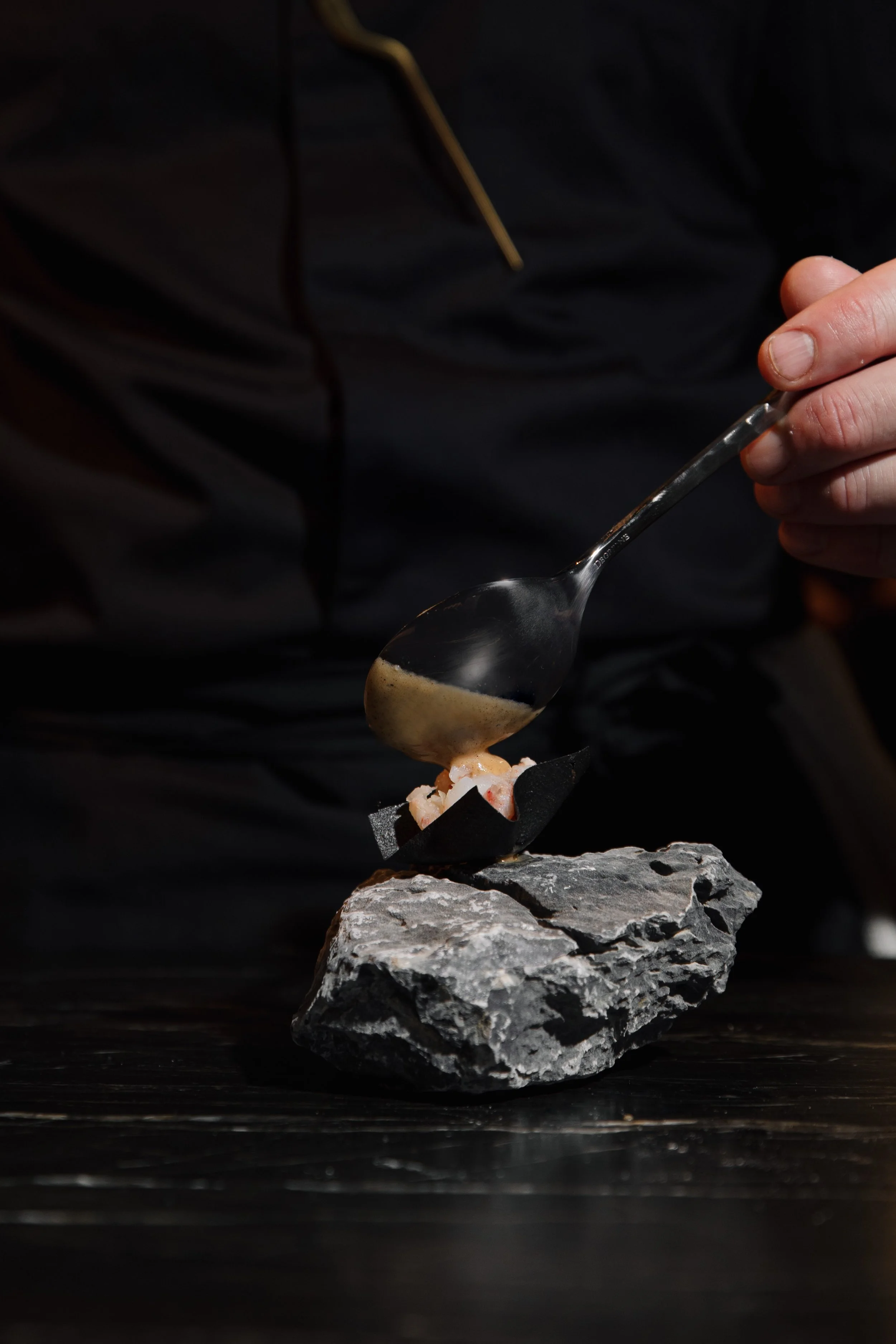
Blackened Seafood
Fine dining also serves as a cultural institution and art form, preserving culinary traditions while simultaneously pushing the boundaries of what’s possible. In many ways, fine dining restaurants function as laboratories where chefs experiment with new techniques, flavor combinations, and presentations. These innovations often trickle down to more casual dining concepts, influencing the broader culinary landscape. The molecular gastronomy movement, farm-to-table philosophy, and emphasis on local sourcing all originated in fine dining kitchens before becoming mainstream culinary practices.
The emotional and social significance of fine dining extends beyond the immediate pleasure of exceptional food. These establishments serve as venues for life’s most important celebrations—anniversaries, proposals, milestone birthdays, business deals that shape careers. The memories created in these spaces often become part of personal and family histories, stories that get retold for years to come. This emotional resonance places additional responsibility on fine dining establishments to not just meet expectations, but to exceed them in ways that honor the significance of the occasion.
Understanding what fine dining truly represents helps us appreciate why it has endured through economic downturns, changing food trends, and evolving consumer preferences. It’s not just about the food—though the food must be exceptional. It’s about the complete experience of being cared for, surprised, delighted, and nourished on multiple levels. This foundation of excellence and intentionality has deep historical roots that continue to influence how we experience fine dining today.
The Historical Evolution: From French Foundations to Global Innovation
To understand fine dining’s current form, we must appreciate its remarkable journey from 18th-century France to today’s global culinary landscape. The story begins not in grand palaces, but in humble bouillon shops where enterprising cooks first offered individual meals to paying customers rather than communal dining arrangements typical of inns and taverns.
The transformation accelerated during the French Revolution when displaced aristocratic chefs, suddenly without noble employers, opened their own establishments. These pioneers brought refined cooking techniques and service standards previously reserved for the wealthy elite into public spaces. The historical development of restaurants as we know them today can be traced directly to these revolutionary changes, which democratized access to sophisticated cuisine while establishing many conventions still followed in fine dining establishments.
Auguste Escoffier emerged as perhaps the most influential figure in codifying modern fine dining practices. Working primarily in the late 19th and early 20th centuries, Escoffier revolutionized kitchen organization through his brigade system, which created specialized roles and hierarchies that improved efficiency and consistency. More importantly, he simplified the elaborate presentations of earlier eras, focusing on highlighting the natural flavors of exceptional ingredients rather than masking them with excessive garnishes and sauces. His principles of freshness, seasonality, and technical precision remain cornerstones of fine dining philosophy today.
The transatlantic journey of fine dining began with establishments like Delmonico’s in New York City, which opened in 1837 and became America’s first fine dining restaurant. Delmonico’s introduced American diners to European-style service, extensive wine lists, and sophisticated cuisine. The restaurant’s influence extended far beyond New York, establishing templates for luxury dining that spread across the continent. These early American fine dining establishments adapted European traditions to local ingredients and tastes, beginning the process of cultural fusion that characterizes much of today’s fine dining scene.
The global expansion of fine dining accelerated throughout the 20th century as travel became more accessible and cultural exchange increased. Japanese kaiseki traditions influenced Western plating and seasonality concepts. Italian emphasis on ingredient quality challenged French technique-heavy approaches. Spanish innovation in molecular gastronomy pushed the boundaries of what fine dining could be. Each cultural contribution enriched the global fine dining vocabulary while maintaining respect for local traditions and ingredients.

Cutlery
Several pivotal moments reshaped fine dining throughout its evolution. The nouvelle cuisine movement of the 1960s and 70s rejected heavy, sauce-laden classical French cooking in favor of lighter preparations that emphasized natural flavors and artistic presentation. Molecular gastronomy emerged in the 1980s and 90s, introducing scientific techniques and theatrical presentations that challenged conventional notions of what restaurant food could be. The farm-to-table movement gained momentum in the 1970s and 80s, emphasizing direct relationships between chefs and producers while prioritizing seasonal, locally-sourced ingredients.
Historical events profoundly influenced fine dining’s trajectory. Both World Wars disrupted traditional European dining culture while introducing American servicemen to international cuisines. Economic recessions forced innovations in efficiency and value proposition. Immigration patterns brought new culinary traditions to established dining markets. The internet revolution transformed how restaurants market themselves and how diners discover and critique fine dining experiences. Each challenge forced the industry to adapt while maintaining its core commitment to excellence.
The late 20th and early 21st centuries saw fine dining become increasingly democratic and diverse. While maintaining high standards for quality and service, many contemporary fine dining establishments have relaxed formal dress codes, embraced casual elegance over stuffy formality, and created more inclusive environments. Celebrity chef culture has brought fine dining into popular consciousness, making sophisticated techniques and presentations more familiar to broader audiences.
This rich history has crystallized into specific elements that define the modern fine dining experience, creating a foundation for contemporary chefs to build upon while honoring the traditions that came before.
The Essential Elements: What Makes Fine Dining Extraordinary
The magic of fine dining emerges from the seamless integration of multiple complex elements, each requiring years to master and constant attention to maintain. Like a symphony where every instrument must be perfectly tuned and precisely timed, fine dining demands excellence across numerous domains simultaneously. Understanding these elements helps diners appreciate the complexity behind what might appear effortless and helps aspiring culinary professionals recognize the dedication required to excel in this field.
Ingredient sourcing forms the foundation of exceptional fine dining. While many restaurants purchase from broad-line food distributors, fine dining establishments build relationships with specific farms, fishermen, foragers, and artisanal producers. These relationships ensure access to peak-quality ingredients at optimal times—the first spring asparagus, line-caught fish landed that morning, heritage breed animals raised with exceptional care. At Class Act, we work directly with local farmers to plan seasonal menus.
The seasonality principle extends beyond mere availability to encompass the philosophical approach to menu development. Fine dining chefs think in terms of natural progressions—the bright acidity of early spring greens giving way to robust summer vegetables, followed by the rich complexity of autumn harvests and the comforting warmth of winter preparations. This seasonal consciousness creates anticipation and ensures that repeat visits offer genuinely different experiences throughout the year.
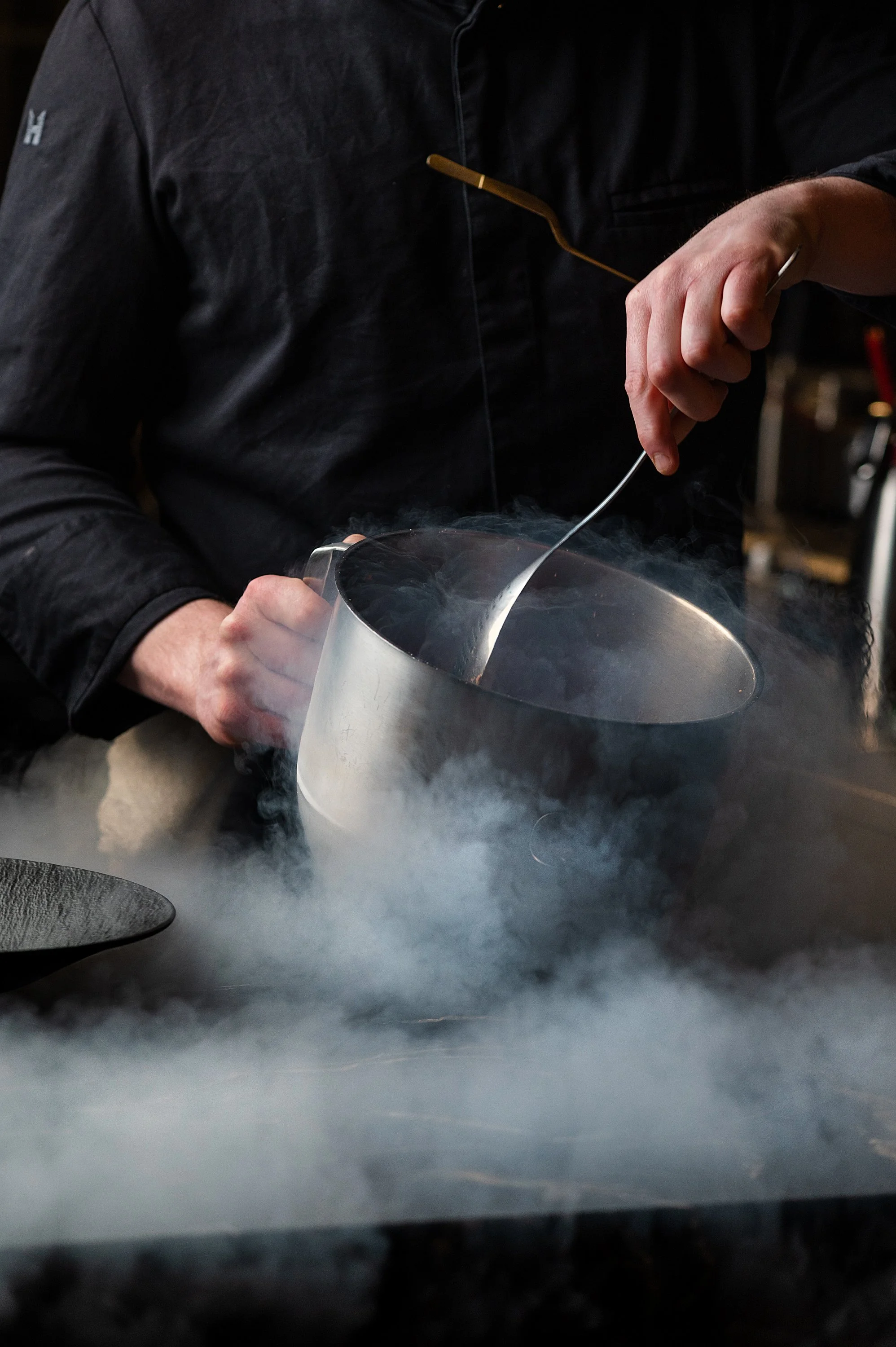
Working with Liquid Nitrogen
Culinary technique represents years of training and practice condensed into each plate. Classical foundations provide the vocabulary—proper knife skills, mother sauces, cooking methods that maximize flavor while preserving texture. Modern innovations expand this vocabulary with techniques like sous vide precision cooking, fermentation for developing complex flavors, and liquid nitrogen for creating unexpected textures. Innovative culinary techniques continue to evolve as chefs experiment with new equipment and methods, but they always serve the goal of enhancing rather than overshadowing the natural qualities of exceptional ingredients.
The mastery required extends beyond cooking techniques to encompass timing and organization. In a fine dining kitchen during service, dozens of complex dishes must be prepared simultaneously with precise timing so that each course arrives at the table at the optimal temperature and doneness. This requires not just individual skill but coordinated teamwork where each cook understands their role in the larger symphony of service.
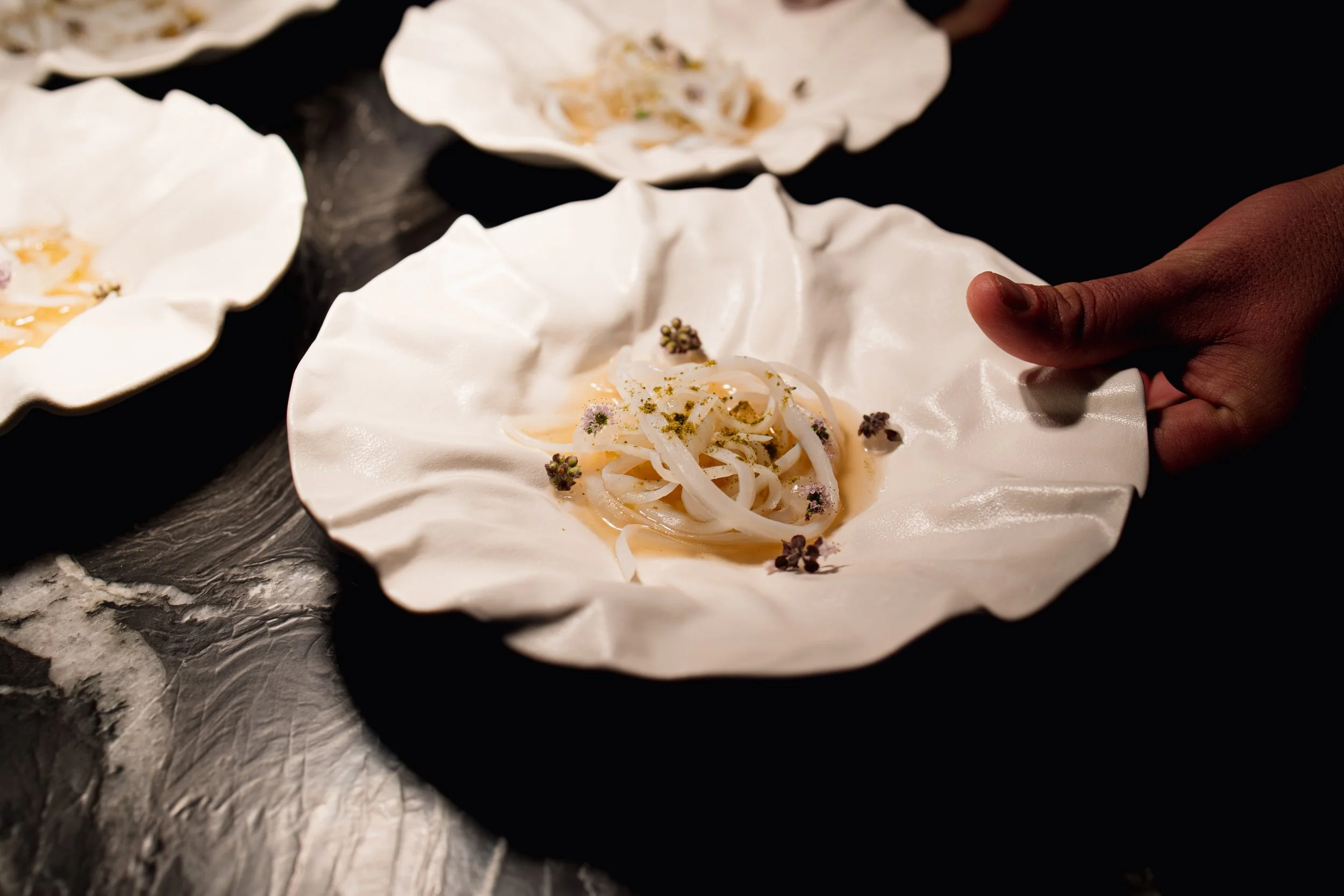
Presentation and plating represent the visual culmination of the chef’s vision. Unlike casual dining where efficiency drives presentation decisions, fine dining plating considers color theory, texture contrast, and visual balance. Each plate becomes a canvas where chefs compose using foods as their medium. The height, spacing, and arrangement of elements guide the diner’s eye and create anticipation for each bite. However, presentation must never compromise flavor or practicality—beautiful food that’s difficult to eat or that loses heat quickly fails to serve the guest properly.
Service standards in fine dining encompass far more than taking orders and delivering food. Professional servers study each dish to understand ingredients, preparation methods, and flavor profiles so they can enhance the dining experience through knowledgeable descriptions and recommendations. They learn to read subtle cues—when a guest needs more time to study the menu, when they’re ready for the next course, when they prefer conversation over interruption. This choreographed hospitality creates an atmosphere where guests feel genuinely cared for rather than simply served
The service team also includes specialized roles that casual dining rarely employs. Sommeliers possess deep knowledge of wine production, flavor profiles, and pairing principles that allow them to enhance meals through expertly chosen beverages. In some establishments, cheese specialists guide guests through artisanal selections, while others employ dedicated water service specialists who understand how different waters complement various foods and wines.
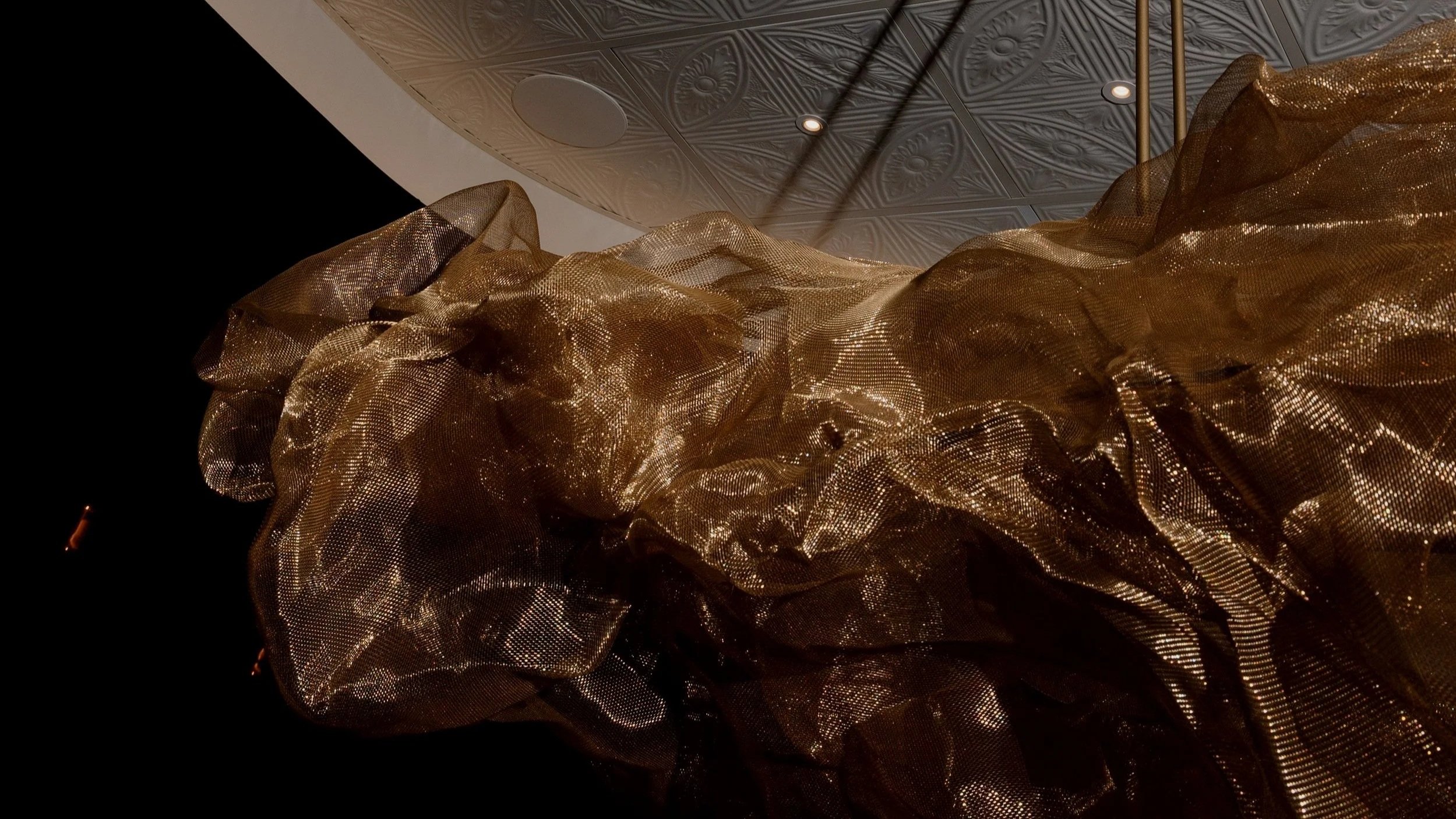
Dining Room Gold Cloud
Ambiance and environment require careful consideration of lighting, acoustics, décor, and spatial flow. Lighting must be warm enough to create intimacy while bright enough to appreciate visual presentation. Acoustics need to contain sound without creating a sterile environment—conversations should remain private while maintaining the energy that makes dining exciting. Table spacing must provide privacy while avoiding isolation. Every design decision serves the goal of enhancing rather than distracting from the culinary experience.
Wine and beverage programming adds another layer of complexity to fine dining operations. Beverage directors curate lists that complement the cuisine while offering diverse price points and styles. Wine storage, service temperatures, glassware selection, and staff training all require significant investment and expertise. Many contemporary fine dining establishments also develop sophisticated non-alcoholic beverage programs, creating complex flavor profiles through house-made sodas, teas, and mocktails that deserve equal attention to wine pairings.
These essential elements only come alive when orchestrated into a complete experience that engages all the senses and creates lasting memories.
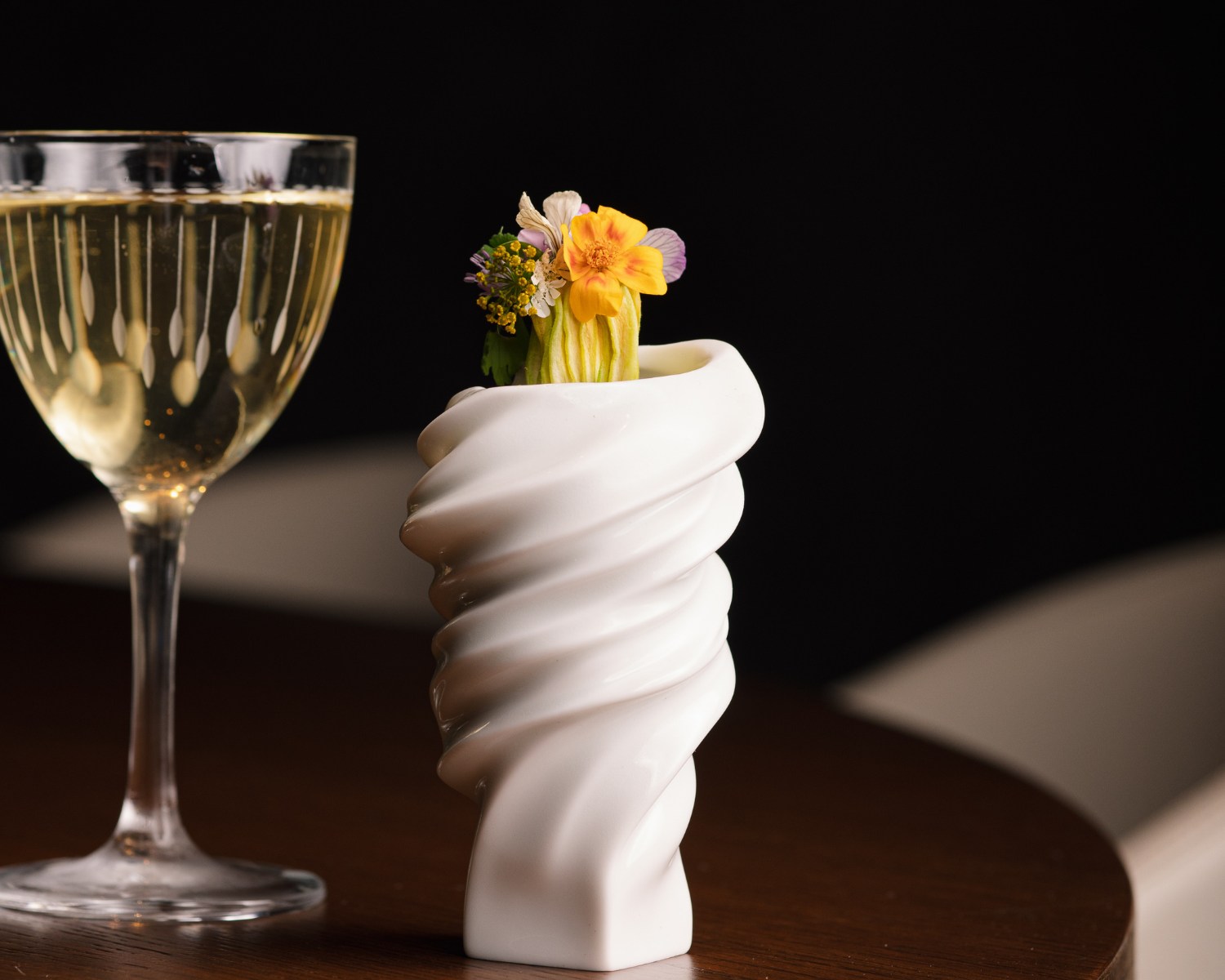
Cocktail and Bouquet
Beyond the Plate: The Multi-Sensory Fine Dining Experience
Fine dining transcends mere consumption to become immersive theater where diners participate in a carefully orchestrated performance. This transformation from eating to experiencing represents one of the most significant evolutions in contemporary fine dining—the recognition that truly memorable meals engage all five senses while creating emotional connections that extend far beyond flavor alone.
The concept of experiential dining has revolutionized how chefs approach menu development and restaurant design. Rather than simply serving delicious food, many fine dining establishments now create immersive narratives that unfold throughout the meal. These stories might explore seasonal progressions, cultural journeys, or personal histories that give deeper meaning to each course. At Class Act, our progressive three-room journey guides guests through different phases of the evening, with each space designed to enhance specific aspects of the culinary narrative while building toward a communal climax at our 16-seat table.
Engaging all five senses requires thoughtful consideration of elements beyond taste and aroma. The visual component extends beyond plating to encompass the entire environment—from the first glimpse of the restaurant’s exterior through the final impression as guests depart. Texture plays increasingly important roles, with chefs incorporating contrasts between crispy and creamy, smooth and granular, hot and cold to create dynamic sensory experiences. Sound becomes part of the experience through carefully selected music, the controlled acoustics of dining rooms, and even the deliberate sounds of service—the gentle clink of quality glassware, the subtle sizzle of tableside preparations.
The importance of pacing and progression in tasting menus reflects this multi-sensory approach. Successful tasting menus create rhythms that prevent palate fatigue while building anticipation for each new course. Light, acidic preparations might precede richer, more complex dishes. Temperatures and textures vary to maintain interest. Portion sizes remain modest to preserve appetite while allowing exploration of numerous flavor combinations. This careful orchestration requires understanding not just individual dishes but how they interact as part of a larger composition.
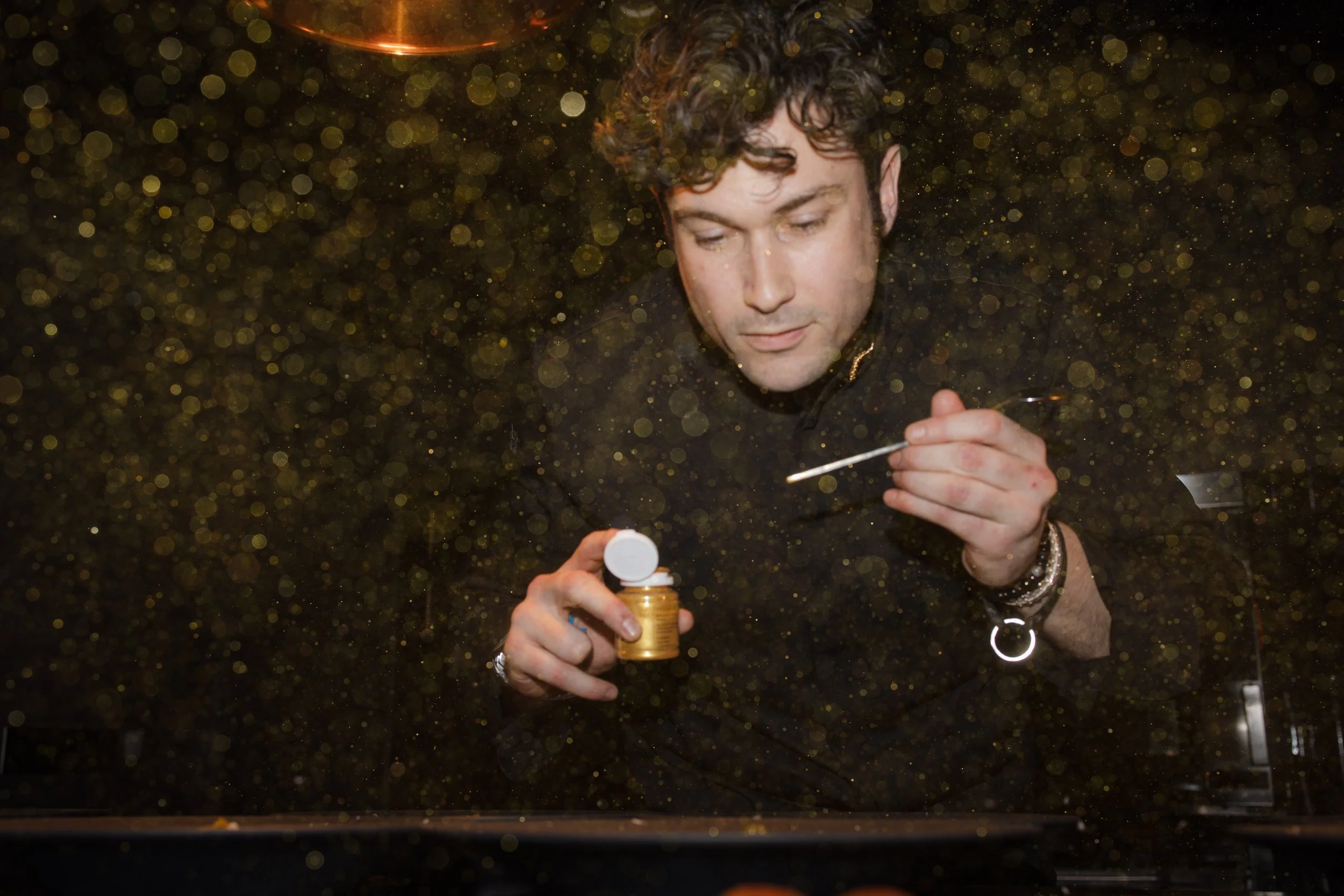
Chef Nicolai in a Cloud of Gold Dust
Social dynamics have become increasingly important in contemporary fine dining design. Many establishments now incorporate communal elements—chef’s counters, shared tables, or open kitchens—that break down traditional barriers between kitchen and dining room. These interactive elements allow guests to witness the artistry of food preparation while creating opportunities for engagement with the culinary team. This transparency builds appreciation for the skill and effort behind each dish while personalizing what might otherwise feel like formal, distant service.
Experiential dining trends continue to evolve as restaurants experiment with immersive technologies, multi-sensory presentations, and interactive elements that transform passive consumption into active participation. Virtual reality wine cellar tours, aromatherapy components, and tactile elements that guests can touch or manipulate all represent attempts to create more engaging, memorable experiences.
The psychology of special occasions adds another dimension to fine dining experiences. Many guests visit fine dining establishments to mark significant life events—anniversaries, promotions, celebrations of achievements, or simply as treats after challenging periods. This context places additional responsibility on restaurants to honor the emotional significance of these occasions. The best fine dining experiences acknowledge this responsibility through personalized touches, flexibility to accommodate special requests, and sensitivity to the emotional weight these meals may carry.
Memory creation becomes a crucial component of fine dining success. Psychologists understand that we remember experiences most vividly when they engage multiple senses simultaneously and when they deviate from our normal routines in positive ways. Fine dining leverages these principles through unexpected flavor combinations, unique presentations, and service touches that surprise and delight guests. The goal extends beyond immediate satisfaction to creating stories that guests will share with others and remember fondly for years to come.
The transformation of dining from necessity to celebration represents one of fine dining’s most significant contributions to contemporary culture. In an era where much eating happens quickly and without reflection, fine dining creates spaces for mindfulness, appreciation, and genuine connection with food, companions, and the broader cultural traditions that shape our relationship with cuisine.
Today’s fine dining continues to evolve, embracing new technologies and philosophies while honoring the traditional foundations that have made these experiences so enduring and meaningful.
The Modern Evolution: How Fine Dining is Changing Today
Contemporary fine dining finds itself at a fascinating crossroads where traditional excellence meets modern innovation, sustainability consciousness, and evolving social expectations. Today’s leading establishments honor classical foundations while embracing changes that reflect current values and technological possibilities. This evolution represents not abandonment of fine dining principles but rather their adaptation to contemporary realities and opportunities.
Sustainability and environmental consciousness have become central considerations in modern fine dining operations. Chefs increasingly source from local producers not just for flavor advantages but to reduce carbon footprints associated with long-distance transportation. Waste reduction programs transform kitchen scraps into stocks, composts, or even ingredients for future dishes. Some restaurants have eliminated single-use items entirely, investing in reusable alternatives that maintain aesthetic standards while reducing environmental impact. Sustainability trends show that environmental responsibility has evolved from nice-to-have to essential component of modern fine dining philosophy.
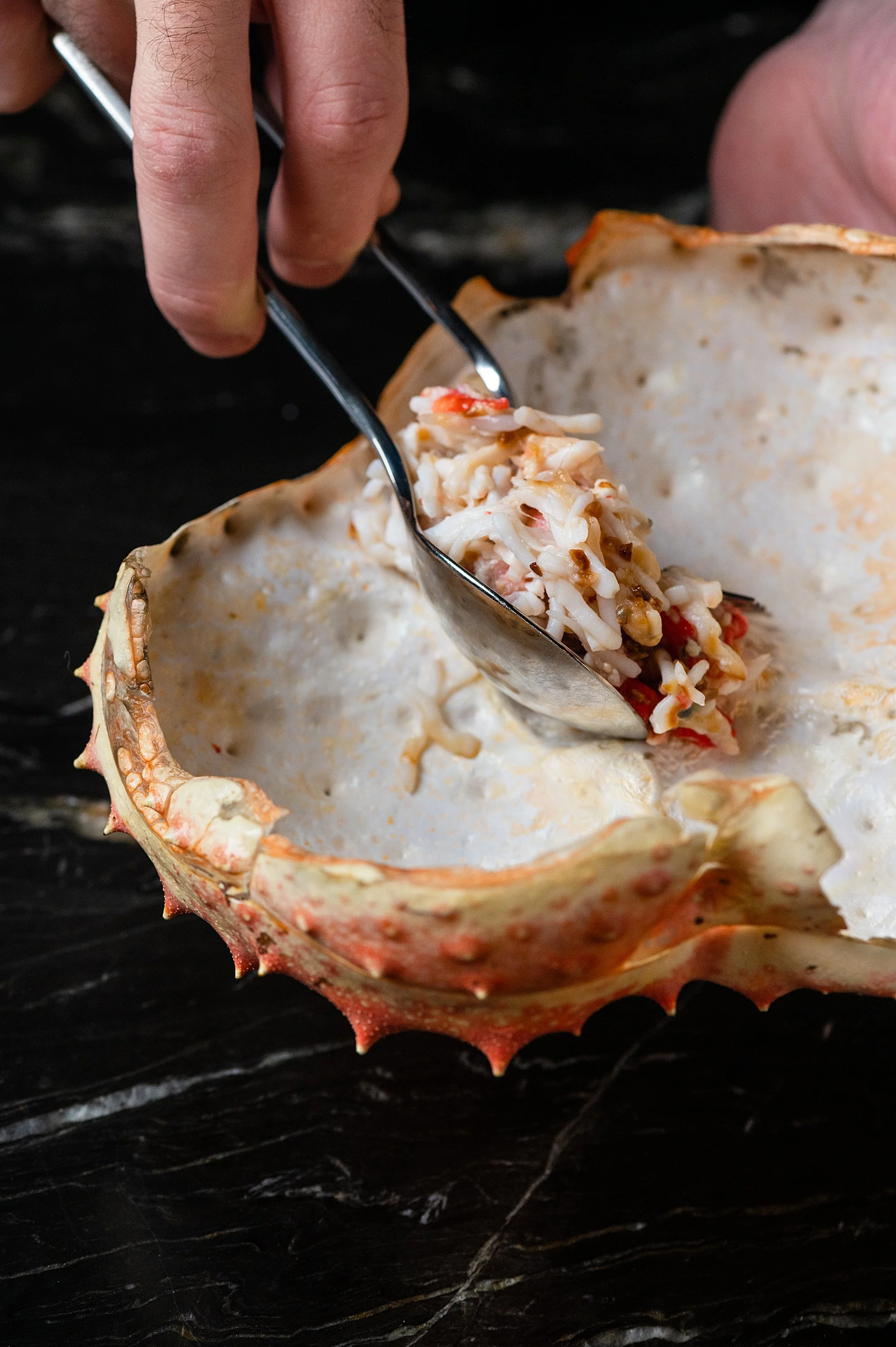
King Crab
Menu development now considers not just seasonal availability but also environmental impact of ingredient choices. Chefs explore plant-forward cooking that reduces reliance on carbon-intensive animal proteins while maintaining the complexity and satisfaction expected in fine dining. Ancient grains, heritage vegetables, and traditional preservation techniques gain prominence as chefs seek sustainable alternatives to resource-intensive ingredients. This shift requires creativity and skill to ensure that environmentally conscious choices enhance rather than compromise the dining experience.
Technology integration represents another significant evolution in contemporary fine dining. Reservation systems now use predictive analytics to optimize table turnover while maintaining relaxed pacing. Kitchen equipment incorporates precision temperature control and monitoring systems that ensure consistency while freeing chefs to focus on creative aspects rather than technical monitoring. Point-of-sale systems track guest preferences and dietary restrictions, allowing personalized service that feels intuitive rather than intrusive.
Some establishments experiment with interactive elements that enhance rather than distract from traditional dining experiences. Augmented reality wine cellar tours, tableside preparation videos, or digital menu presentations that show seasonal ingredient sources all represent attempts to use technology in service of education and engagement rather than novelty alone.
Cultural authenticity and celebration of diverse culinary heritages have gained prominence as fine dining becomes more inclusive and globally aware. Rather than defaulting to European-derived techniques and presentations, many contemporary chefs explore their own cultural backgrounds or develop deep appreciation for traditions from other cultures. Cultural heritage emphasis reflects growing recognition that culinary excellence exists in all cultures and that fine dining can honor diverse traditions while maintaining technical standards.
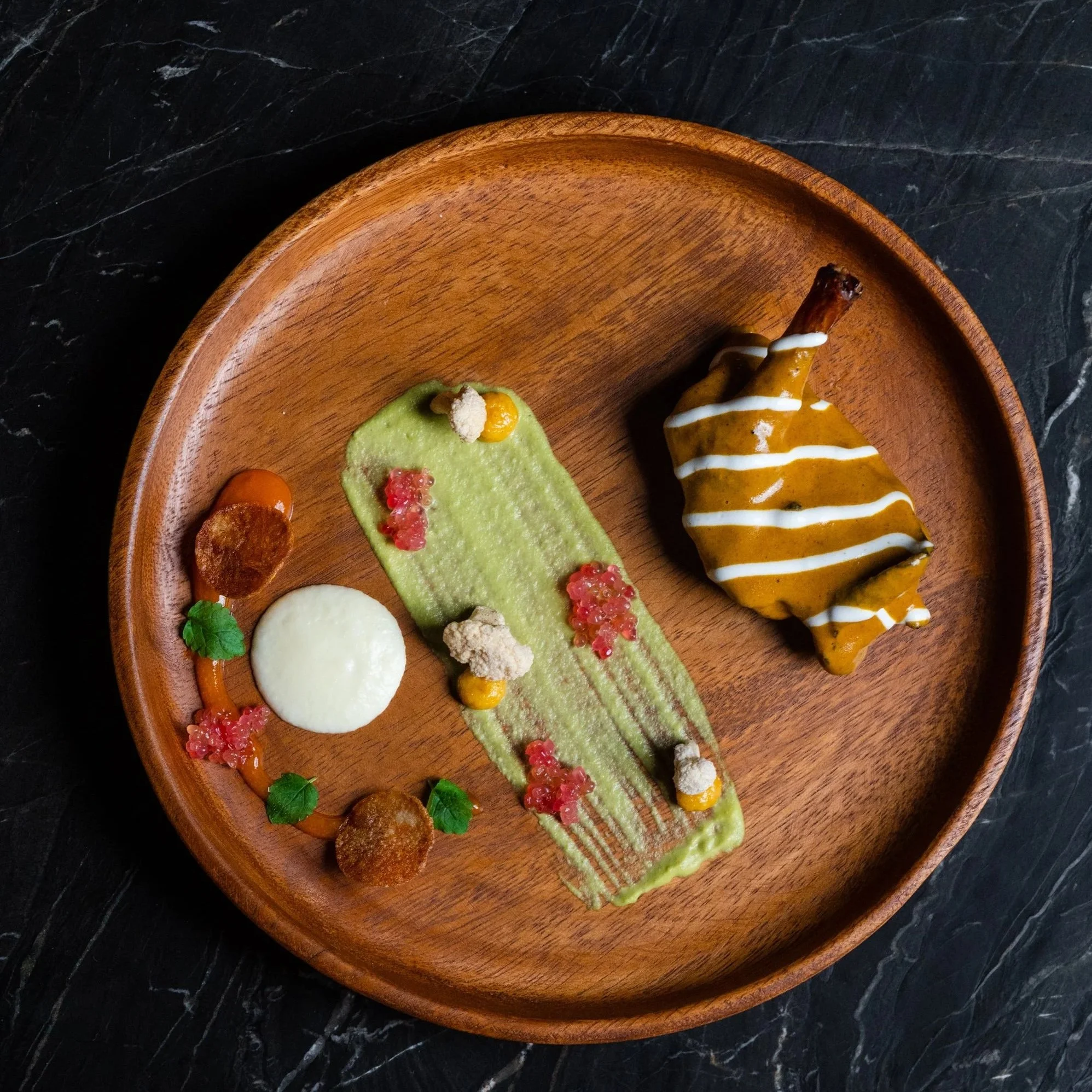
Tenth Jewel
This cultural exploration has enriched fine dining vocabulary with techniques, ingredients, and presentations from around the world. Fermentation methods from East Asian traditions, spice blending techniques from South Asian cuisines, preservation methods from Northern European traditions, and plating aesthetics from Japanese kaiseki all contribute to contemporary fine dining’s expanded repertoire.
Accessibility efforts aim to make fine dining more inclusive while maintaining excellence standards. This includes physical accessibility improvements like ramp access and appropriate restroom facilities, but extends to cultural accessibility through diverse staff hiring, multilingual service capabilities, and menu options that accommodate various dietary restrictions and preferences. Price accessibility remains challenging given the inherent costs of fine dining operations, but many establishments now offer more casual lunch services, bar menus, or special event pricing to broaden access.
The rise of chef-driven concepts prioritizes personal expression over traditional formulas. Rather than adhering to classical fine dining templates, contemporary chefs develop distinctive voices that reflect their backgrounds, philosophies, and creative visions. This personalization makes each fine dining experience more distinctive while maintaining the technical excellence and service standards that define the category.
Post-pandemic adaptations have permanently altered fine dining operations and guest expectations. Enhanced sanitation protocols, modified service styles, and outdoor dining options all represent changes that many establishments have maintained even as restrictions lifted. The tasting menu revival demonstrates how challenges can spur innovation—many restaurants discovered that tasting menus allowed better cost control and kitchen efficiency while offering guests more adventurous experiences.
Takeout and delivery adaptations developed during closure periods have evolved into permanent offerings that extend fine dining experiences beyond restaurant walls. Special packaging, assembly instructions, and virtual wine tastings allow guests to experience elements of fine dining at home while building relationships with restaurants between visit occasions.
These modern evolutions demonstrate that fine dining remains a dynamic, responsive industry that adapts to changing circumstances while maintaining its core commitment to excellence. Behind all these changes and innovations stands the chef—the creative visionary who orchestrates these experiences and continuously pushes the boundaries of culinary possibility.
The Chef’s Perspective: Creating Magic in the Kitchen
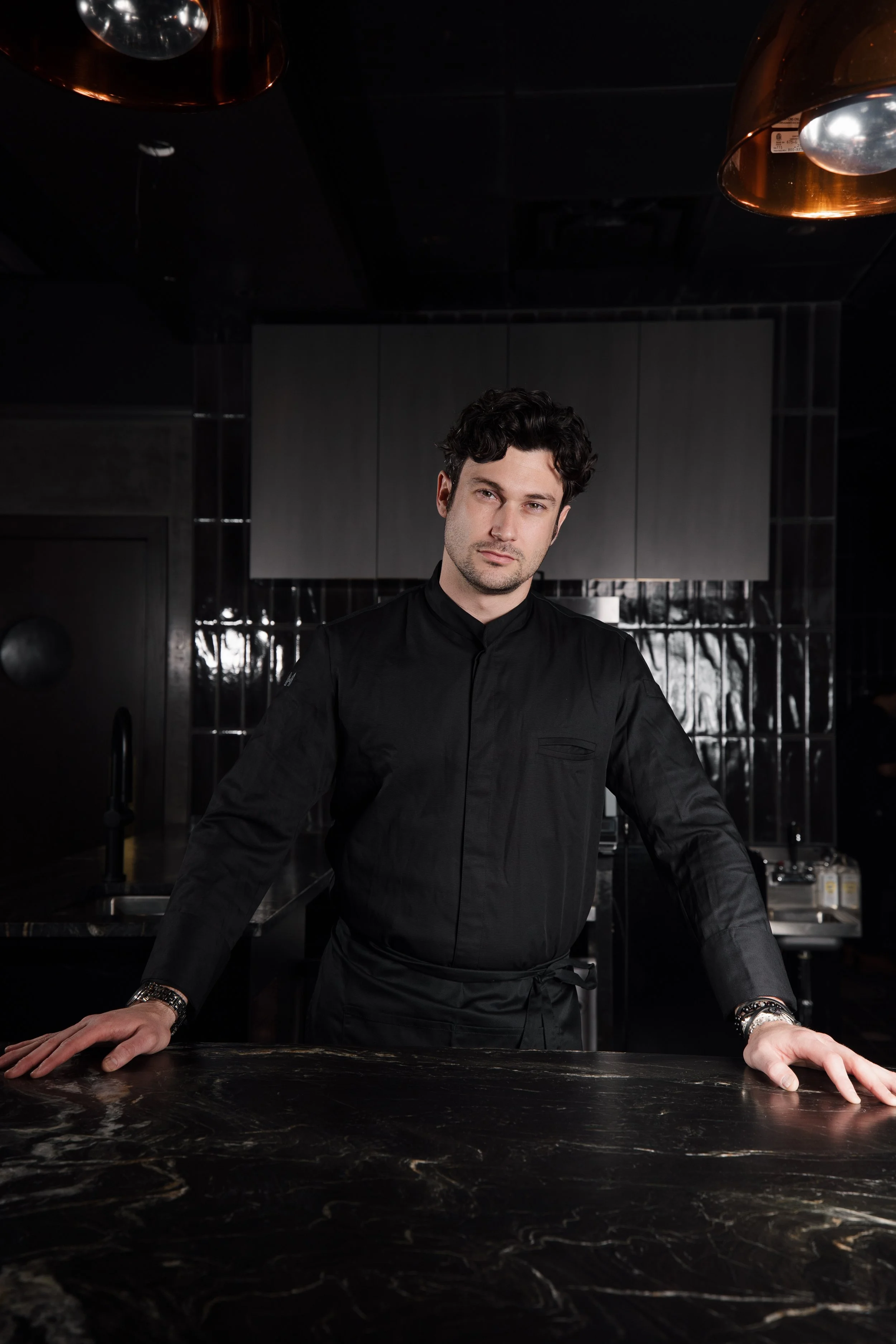
Chef Nicolai
Standing in Class Act’s open kitchen as service begins, I’m reminded daily of the profound responsibility that comes with leading a fine dining operation. Each plate that leaves our pass represents not just a culmination of techniques and ingredients, but a promise to our guests that their trust in us will be rewarded with something genuinely extraordinary. The journey to this moment has been decades in the making, filled with lessons that extend far beyond cooking techniques into leadership, creativity, and the delicate art of hospitality.
The path to becoming a fine dining chef rarely follows a straight line. My own journey began with self education, learning the fundamental techniques that remain essential regardless of culinary trends or innovations. This foundation—proper knife skills, understanding of heat and timing, mastery of mother sauces—provides the vocabulary that allows creative expression. But technical skill alone never creates memorable dining experiences. The transition from cook to chef requires developing palate, creativity, and the leadership skills necessary to guide a team through the intense pressures of fine dining service.
Mentorship plays crucial roles in chef development that culinary school simply cannot replicate. Working under experienced chefs teaches not just techniques but the subtleties of seasoning, the importance of tasting constantly throughout preparation, and the discipline required to maintain standards even during the most challenging services. These relationships often last throughout careers, creating networks of mutual support and shared knowledge that strengthen the entire industry.
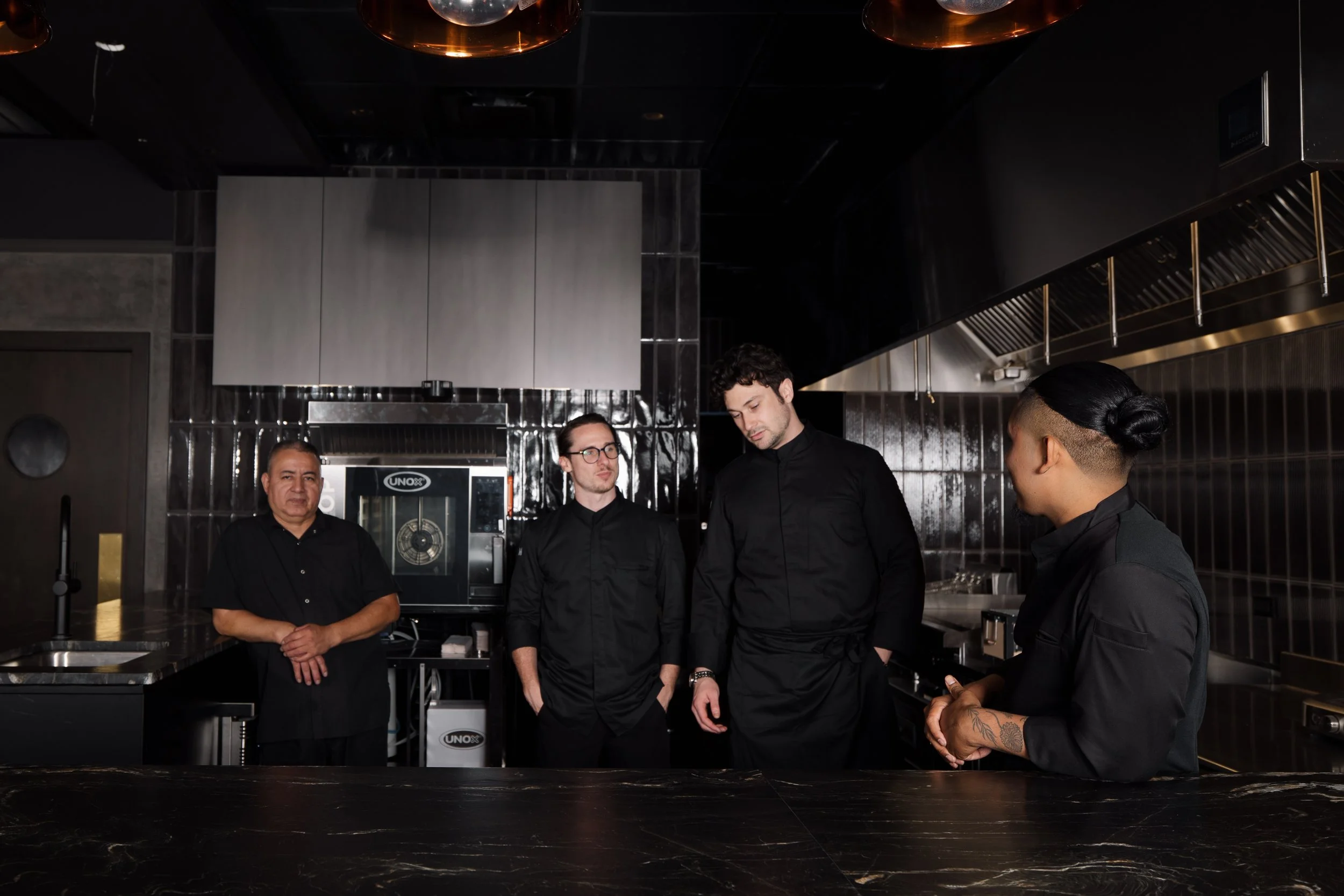
Class Act Culinary Team
The daily challenges of running a fine dining kitchen extend far beyond cooking. Menu development requires balancing creativity with practicality, ensuring that innovative dishes can be executed consistently during busy service periods. Cost management demands finding ways to maintain quality while controlling expenses—a particular challenge when working with premium ingredients that can vary significantly in price and availability. Staff training and development consume significant time and energy, as the level of precision required in fine dining demands extensive preparation and ongoing education.
Quality control becomes an obsession in fine dining kitchens. Every plate must meet exacting standards for temperature, seasoning, presentation, and timing. This consistency requires systems and procedures that might seem excessive in other environments but are essential for maintaining the trust that guests place in fine dining establishments. The pressure to maintain these standards during busy service periods while simultaneously managing costs, staff, and creative development challenges even experienced chefs.
The balance between consistency and innovation represents one of fine dining’s central tensions. Guests expect certain dishes to taste exactly the same each time they visit, but they also seek new experiences that justify the investment of time and money that fine dining requires. The creative process behind tasting menus involves considering not just individual dishes but their progression, interaction, and cumulative impact on the dining experience.
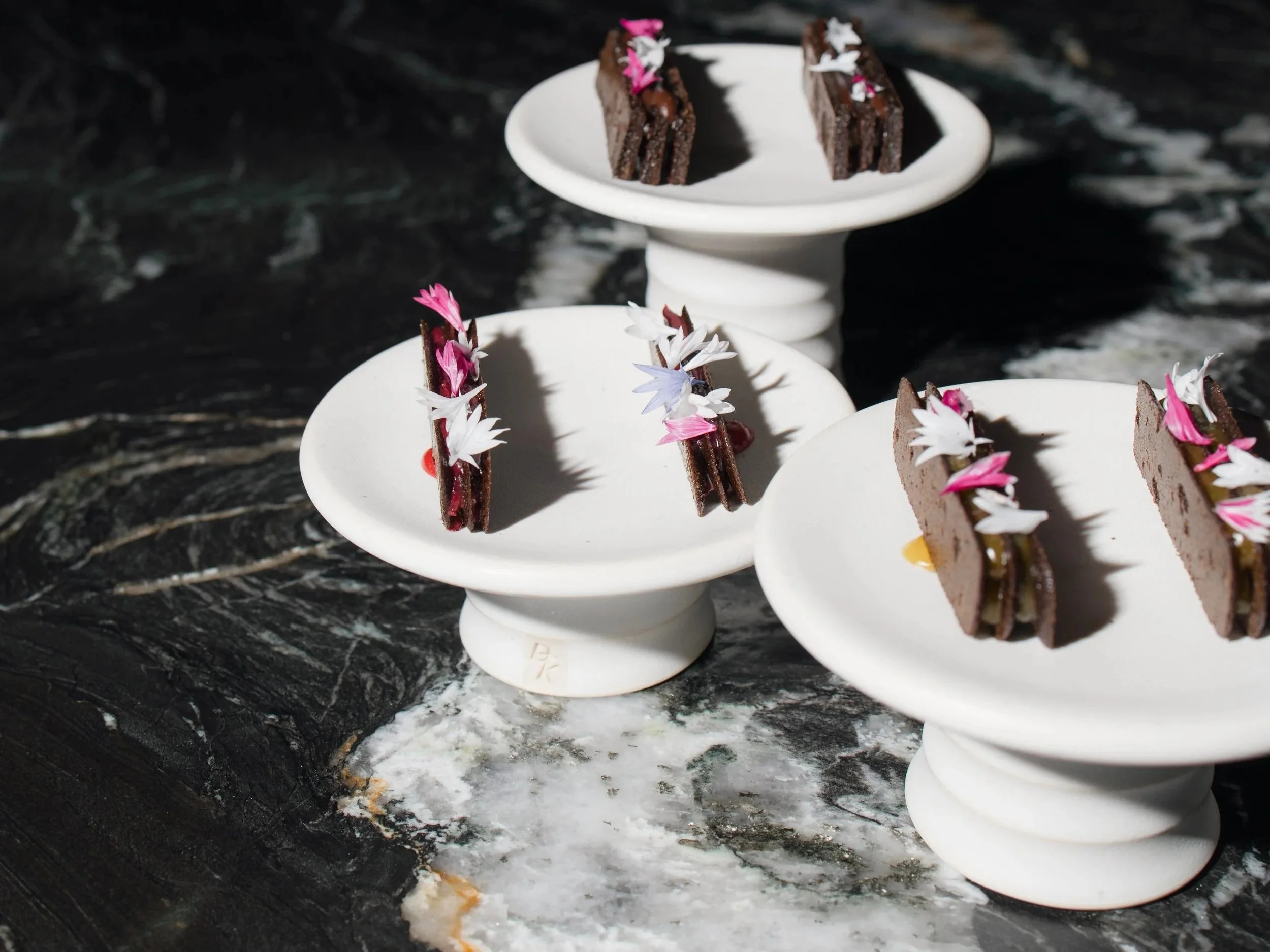
Celebration
The emotional weight of creating memorable experiences adds psychological pressure that many outside the industry don’t recognize. Knowing that guests may be celebrating anniversaries, proposals, or other significant life events places additional responsibility on every aspect of service. Failed dishes or service missteps don’t just result in poor reviews—they can impact memories that guests will carry for lifetimes. This responsibility requires maintaining focus and standards even when dealing with equipment failures, staff shortages, or other operational challenges.
Team leadership in fine dining kitchens requires balancing high standards with supportive mentorship. The intensity of service creates pressure that can either forge strong teams or create toxic environments. Successful fine dining chefs learn to maintain discipline and standards while supporting team member development and well-being. This includes creating advancement opportunities, providing ongoing education, and fostering environments where creativity and learning can flourish alongside operational excellence.
The future of fine dining lies in continued evolution that honors traditional foundations while embracing innovation and inclusivity. Environmental sustainability will likely become even more central to operations as climate change affects ingredient availability and guest expectations continue evolving. Technology will provide new tools for enhancing consistency and efficiency while creating opportunities for more engaging guest experiences.
What drives chefs to pursue excellence in this demanding field extends beyond mere ambition or creativity. At its core, fine dining represents an art form that nourishes people on multiple levels—physical, emotional, and cultural. The opportunity to create moments of genuine joy and connection through food provides motivation that sustains us through the long hours, intense pressure, and continuous learning that this profession demands.
Fine dining ultimately exists to create connections—between chef and diner, between tradition and innovation, between sustenance and art. These connections remind us why food matters beyond mere nutrition and why the pursuit of culinary excellence continues to inspire passionate individuals to dedicate their lives to perfecting their craft.
Creating Lasting Impressions Through Culinary Artistry
Our journey through the world of fine dining has revealed a complex art form that extends far beyond expensive ingredients or formal service styles. We’ve explored how historical foundations continue to influence contemporary practices, examined the essential elements that create extraordinary experiences, and discovered how the industry continues evolving while maintaining its commitment to excellence. Most importantly, we’ve seen how fine dining serves as a bridge between sustenance and art, creating moments of connection and joy that enrich our lives in lasting ways.
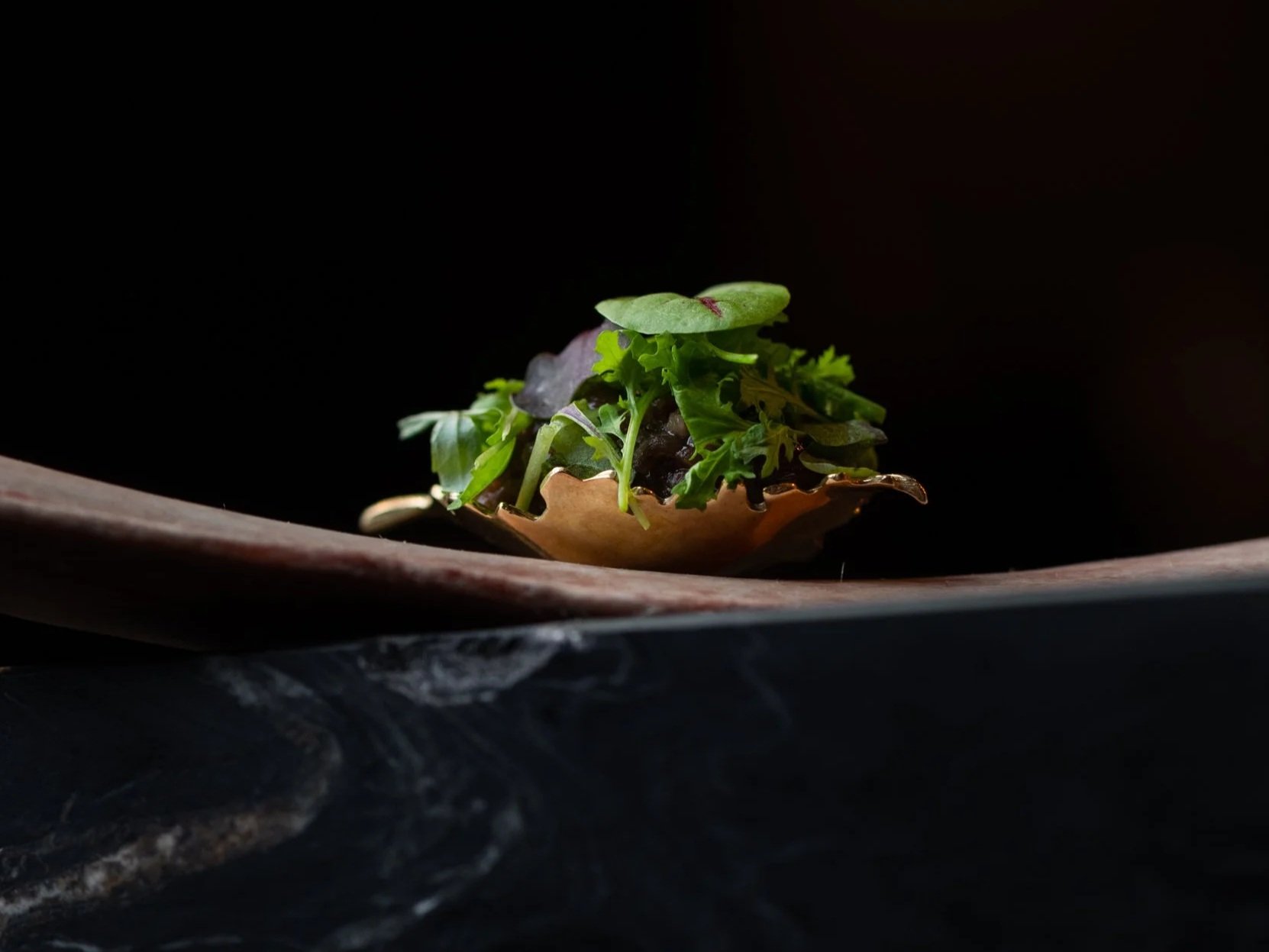
Hunter Gatherer
Fine dining represents both tradition and innovation—honoring techniques and principles developed over centuries while embracing new possibilities for creativity, sustainability, and inclusivity. This dynamic tension keeps the industry vibrant and relevant, ensuring that fine dining continues serving as a laboratory for culinary innovation while preserving cultural traditions that connect us to our shared culinary heritage.
Understanding fine dining enhances appreciation whether you’re a regular guest at sophisticated restaurants, an aspiring culinary professional, or simply someone who believes food has the power to create meaning beyond nutrition. This knowledge allows diners to better appreciate the skill, effort, and creativity behind exceptional meals while helping industry professionals understand the standards and expectations that define excellence in this field.
The democratization of fine dining knowledge through media, education, and changing social attitudes has made sophisticated techniques and presentations more familiar to broader audiences. This accessibility hasn’t diminished fine dining’s specialness but rather increased appreciation for the artistry and skill required to execute these experiences successfully. When diners understand the complexity behind seemingly simple presentations, they can better appreciate the value proposition that fine dining offers.
As we look toward the future, fine dining will undoubtedly continue evolving in response to changing environmental conditions, technological innovations, and social expectations. However, the core principles—commitment to quality, attention to detail, respect for ingredients, and dedication to creating memorable experiences—will remain constant. These principles ensure that fine dining maintains its relevance and appeal even as specific techniques and trends change.
The best way to truly understand fine dining is to experience it firsthand, in establishments where every element comes together to create something greater than the sum of its parts. This experiential learning allows appreciation of subtleties that descriptions cannot fully convey while creating personal memories that deepen understanding of why fine dining continues to captivate and inspire.
Fine dining’s enduring appeal lies in its ability to transform necessary sustenance into optional celebration, creating opportunities for mindfulness, connection, and appreciation in our increasingly fast-paced world. These experiences remind us that taking time to truly savor excellent food, in the company of others, in beautiful surroundings, serves essential human needs that extend far beyond mere nutrition.
Experience Fine Dining Redefined at Class Act
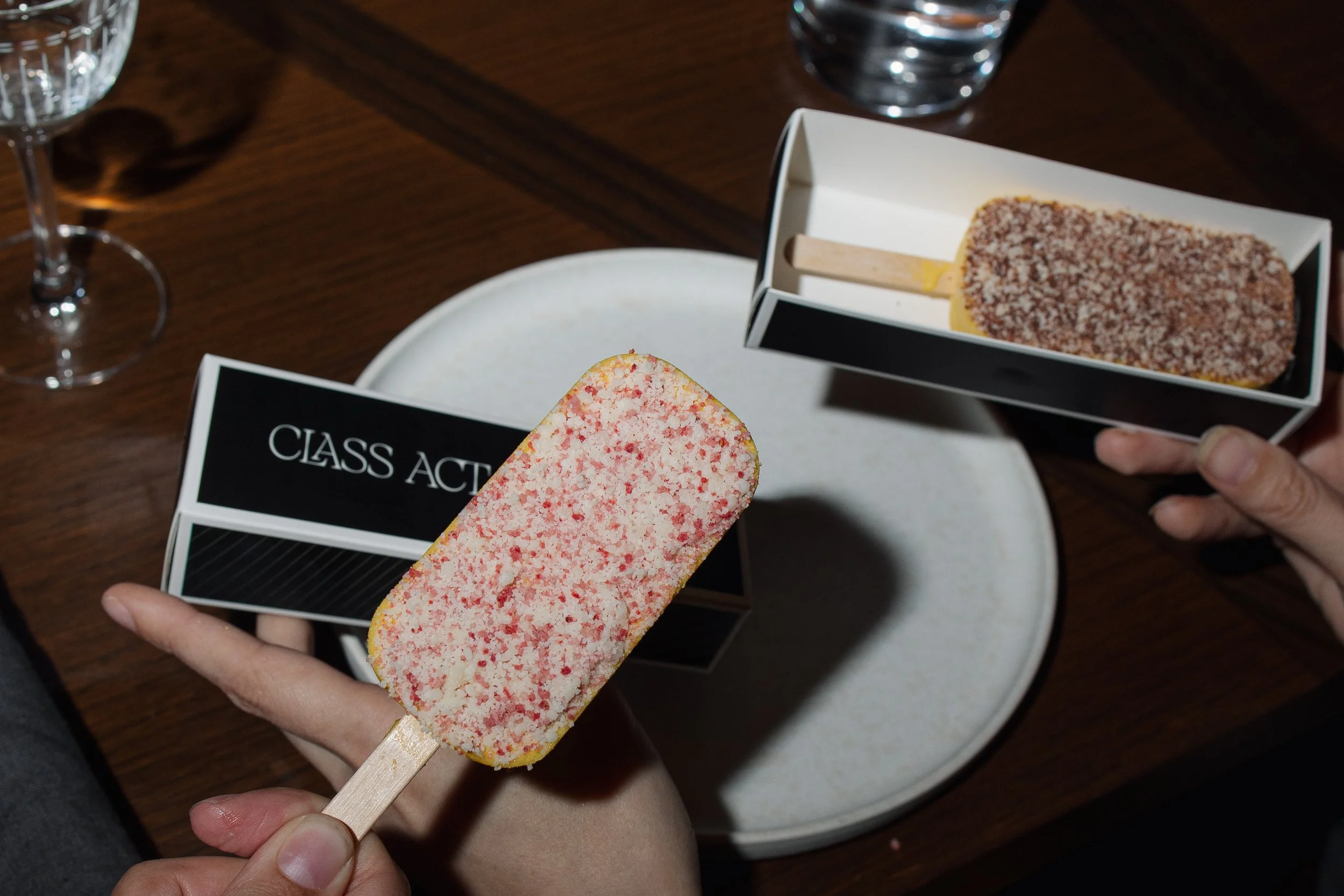
Ice Cream Truck
If this exploration has sparked your curiosity about what fine dining can be when executed with both technical excellence and genuine warmth, I invite you to experience our interpretation at Class Act. Here, we’ve created something unique in the dining landscape—a progressive three-room journey that builds from intimate cocktail service through focused tasting courses to the warmth of communal dining at our 16-seat table.
Our approach honors the traditions and standards explored throughout this guide while embracing the community-focused values that make dining truly memorable. You’ll experience avant-garde culinary techniques alongside approachable hospitality, seasonal menus that showcase local partnerships, and the opportunity to engage directly with our culinary team as we prepare and present each course.
The communal table experience represents our belief that fine dining should bring people together rather than isolate them in formal distance. Here, strangers become friends over shared appreciation for exceptional food, and the barriers between kitchen and dining room dissolve into collaborative celebration of culinary artistry.
Ready to discover what fine dining means when guided by passion, creativity, and genuine care for our guests? Make a reservation and join us for an evening that honors everything we’ve explored in this guide while creating new possibilities for what fine dining can become. Let us show you how tradition and innovation, technique and warmth, individual creativity and communal celebration can come together to create experiences that linger in memory long after the last bite.